NASA-UAP-D012, Trecho de Áudio Mercury Atlas 8, 3 de Outubro de 1962
Dados principais
- ID oficial do arquivo
- NASA-UAP-D12 (citado como NASA-UAP-D012 neste arquivo)
- Tipo de documento
- Áudio
- Agência
- NASA
- Publicado em
- R02 · 2026-05-22
- Data do incidente
- 10/3/62
- Local do incidente
- órbita terrestre baixa
Descrição oficial
Durante a missão Mercury Atlas 8, o piloto Sigma 7, Walter M. "Wally" Schirra Jr., descreve observar "pequenos objetos brancos que tendem a vir da cápsula mesma e flutuam para fora". Schirra mais tarde também se refere àqueles objetos como "partículas" e "lascas de torno". Schirra também descreve ver um estourado de luz na janela, cuja fonte ele não consegue identificar. Ele especula que sua observação corresponde ao momento em que o sol passa abaixo do horizonte durante o pôr do sol.
✦ Resumo IA
Este é um trecho de áudio durante o voo da Mercury-Atlas 8 (Sigma 7), gravado em 3 de outubro de 1962. O único locutor é o piloto Walter M. "Wally" Schirra Jr., que transmite observações durante o voo orbital enquanto a espaçonave se aproxima do pôr do sol. Schirra descreve repetidamente pequenos objetos brancos flutuando perto da cápsula, confundindo inicialmente um deles com uma estrela (Arcturus) antes de identificá-lo como uma das partículas. Ele e um colega não identificado (referido como "John," provavelmente John Glenn, que relatou fenômenos semelhantes na MA-6) comparam os objetos a lascas de torno se desprendendo da espaçonave. Schirra também relata um inexplicável "clarão de luz" na janela, que vincula provisoriamente ao sol descendo abaixo do horizonte ao entardecer. O restante abrange chamadas rotineiras de status de atitude/periscópio à medida que o periscópio escurece e é bloqueado próximo ao pôr do sol orbital. Nenhuma voz de solo/CapCom está presente neste trecho.
Gerado com IA a partir do arquivo oficial — pode conter erros.
▸Transcrição
[00:00] I have some pretty stars in sight, and also I have the little white objects that seem to come from the capsule itself and drift off. [00:16] And if they are a yaw check, it's fantastic. [00:20] I suspect that the star I see is Arcturus, but they're very interesting. [00:28] It is neither. It is one of the white objects. [00:37] So now two stars are standing quite still. The white object actually looked like it came toward me, but it wasn't. [00:50] You can actually see the particle there, flying off, and as John described it, there's a lathe shaving. It's a very good description of it. [01:03] My rates are now just about zero in all three axes. [01:19] I still have light in the periscope, of course. I'm looking straight up, and yet at this point, there's the view that my attitude is... [01:32] [unintelligible]. I really can't pick it too early on. Just about inverted at this point. [01:44] And if my nose is above the horizon, as a result, I notice that these particles keep tending after me, relative to me, at any time. [02:10] The periscope is blocking up rather rapidly at sunset. [02:20] It's almost blocked out completely at this point, and it's really not much use to me. [02:50] It gave a real burst of light in the window, and I really don't know what it is. [03:12] At this point, I should be coming up on a sunset. Five hours and 15 minutes. The periscope is dark. [03:22] I must be just getting a last look at the horizon, getting that down on it.
Gerado com IA a partir do arquivo oficial — pode conter erros.
Tradução automática — o documento original está em inglês. Ver em inglês →
Fonte: Departamento de Guerra dos EUA / AARO — domínio público · war.gov/ufo
Entidades neste documento
Casos conectados
NASA-UAP-D010, Mercury Atlas 9 Audio Excerpt, May 15, 1963
NASA-UAP-D018, Gemini 4 Experiment Debriefing, 1967
NASA-UAP-D023, Interview Excerpt with Astronaut Gordon Cooper, 1962
NASA-UAP-D011, Mercury Atlas 9 Audio Excerpt, May 15, 1963
NASA-UAP-D015, Astronaut Scientific Debriefings, 1962-1963
NASA-UAP-D003, Gemini 7 Transcript, 1965
Casos relacionados
Mesmo local
NASA-UAP-D013, Mercury Atlas 7, 24 de Maio de 1962
NASA-UAP-D010, Trecho de Áudio Mercury Atlas 9, 15 de Maio de 1963
NASA-UAP-D011, Trecho de Áudio Mercury Atlas 9, 15 de Maio de 1963
NASA-UAP-D003, Transcrição Gemini 7, 1965

NASA-UAP-D003A, Trecho de Áudio Gemini 7, 1965
NASA-UAP-D018, Debriefing do Experimento da Gemini 4, 1967
Mesma série de arquivos
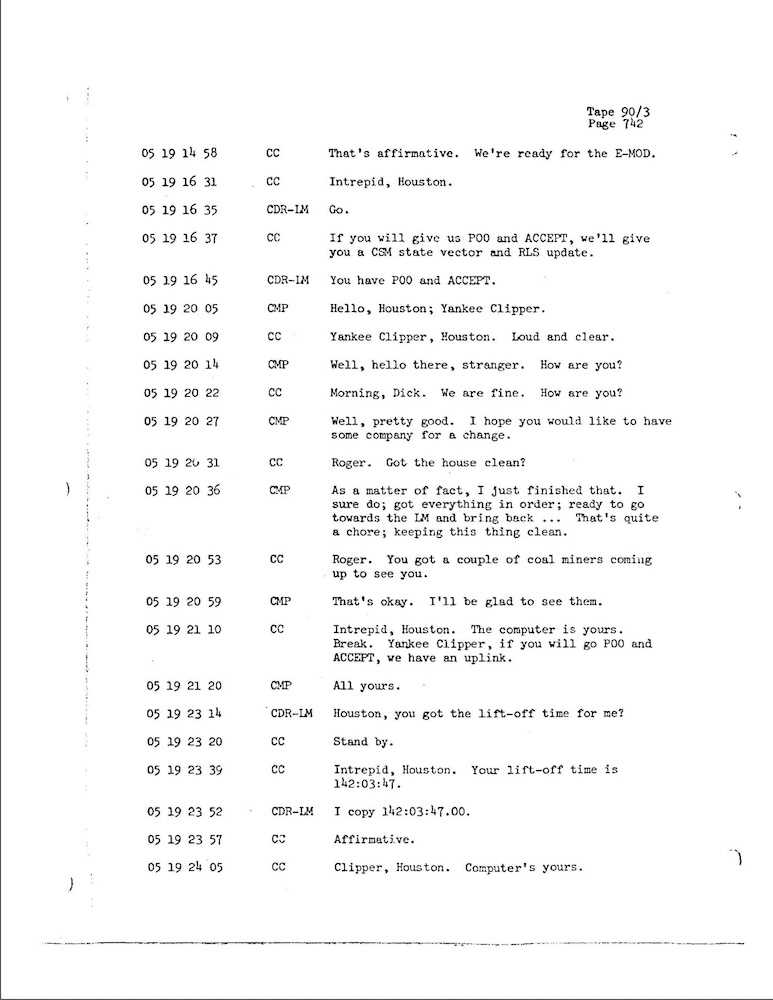
NASA-UAP-D001, Transcrição Apollo 12, 1969
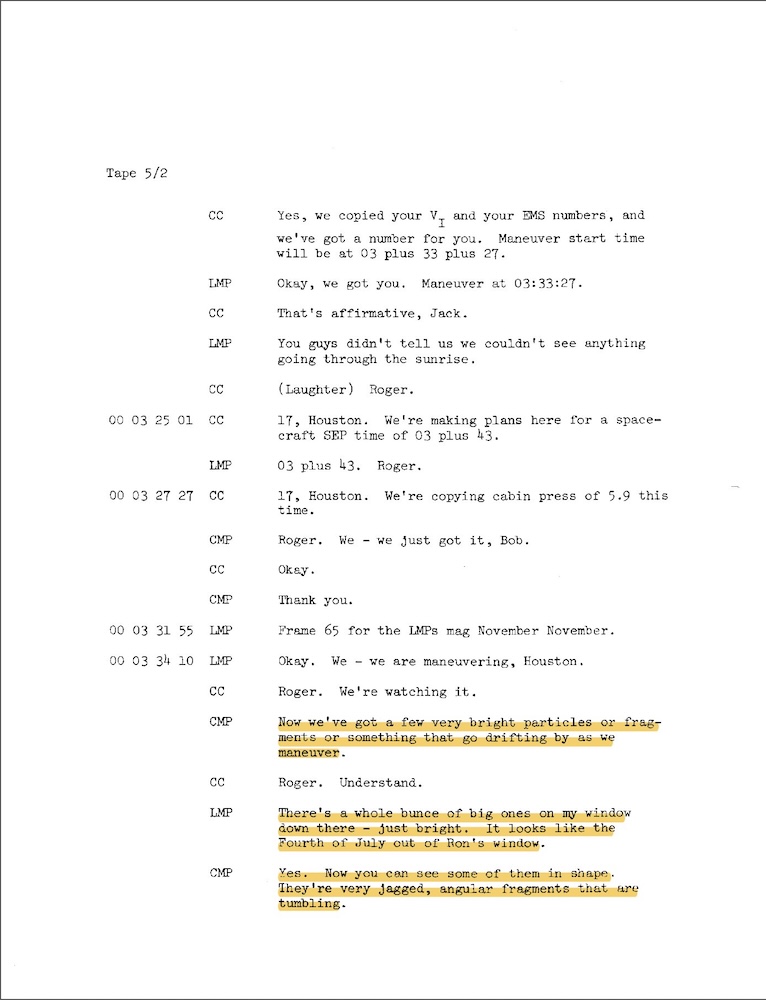
NASA-UAP-D002, Transcrição Apollo 17, 1972
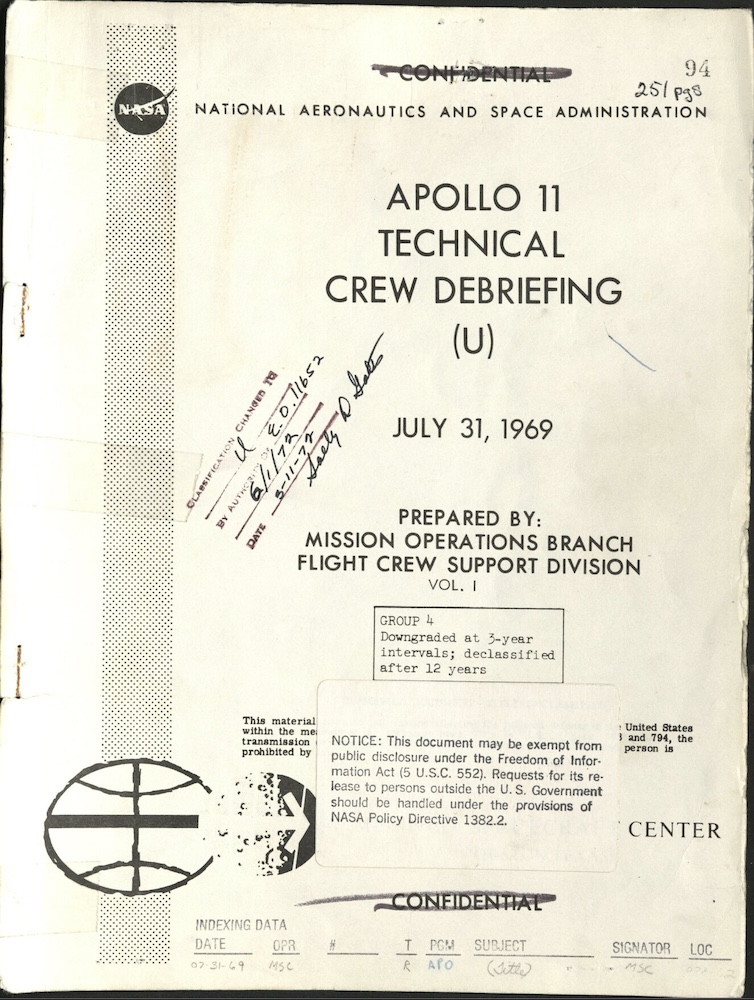
NASA-UAP-D004, Entrevista Técnica da Tripulação Apollo 11, 1969
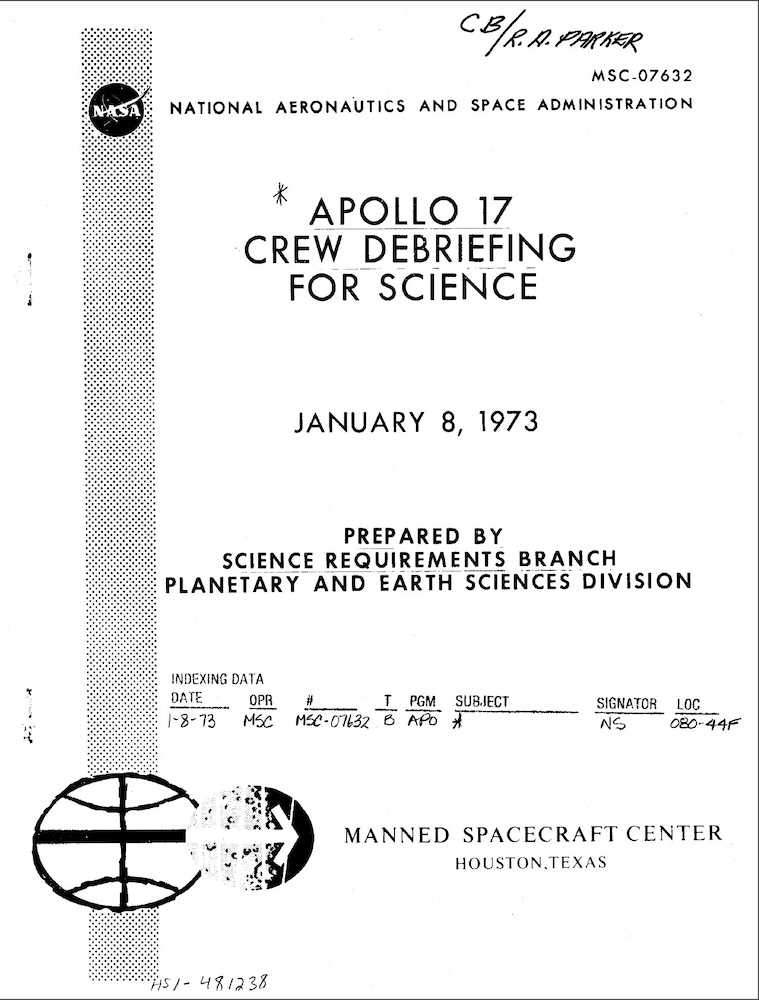
NASA-UAP-D005, Entrevista da Tripulação Apollo 17 para Ciência, 1973
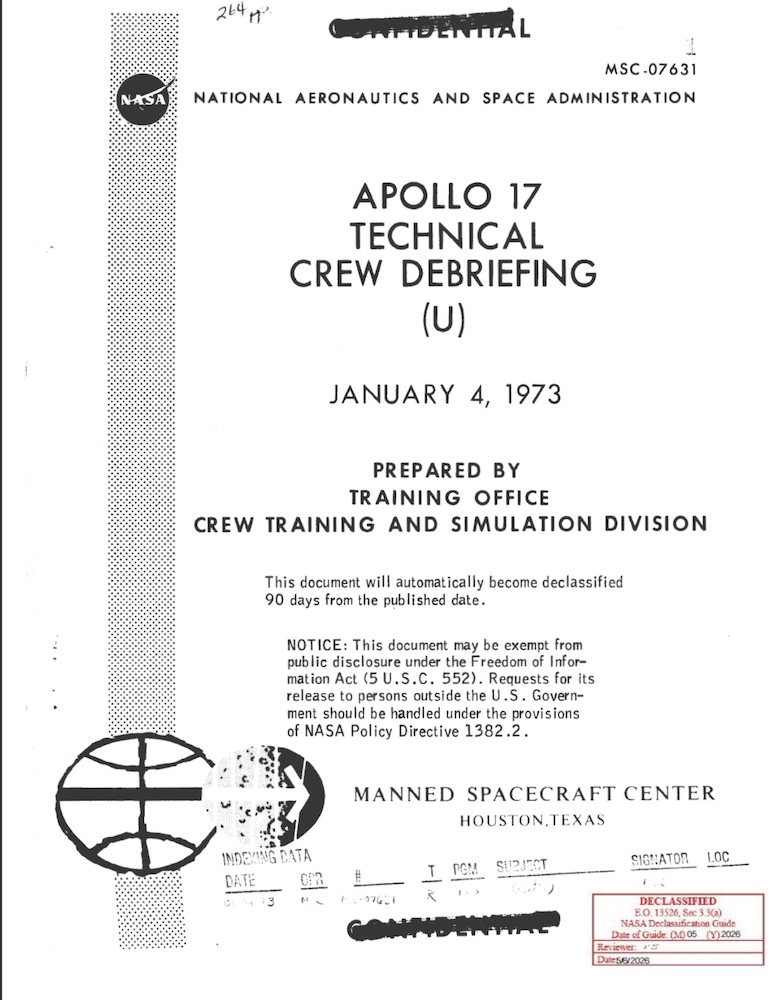
NASA-UAP-D006, Entrevista Técnica da Tripulação Apollo 17, 1973
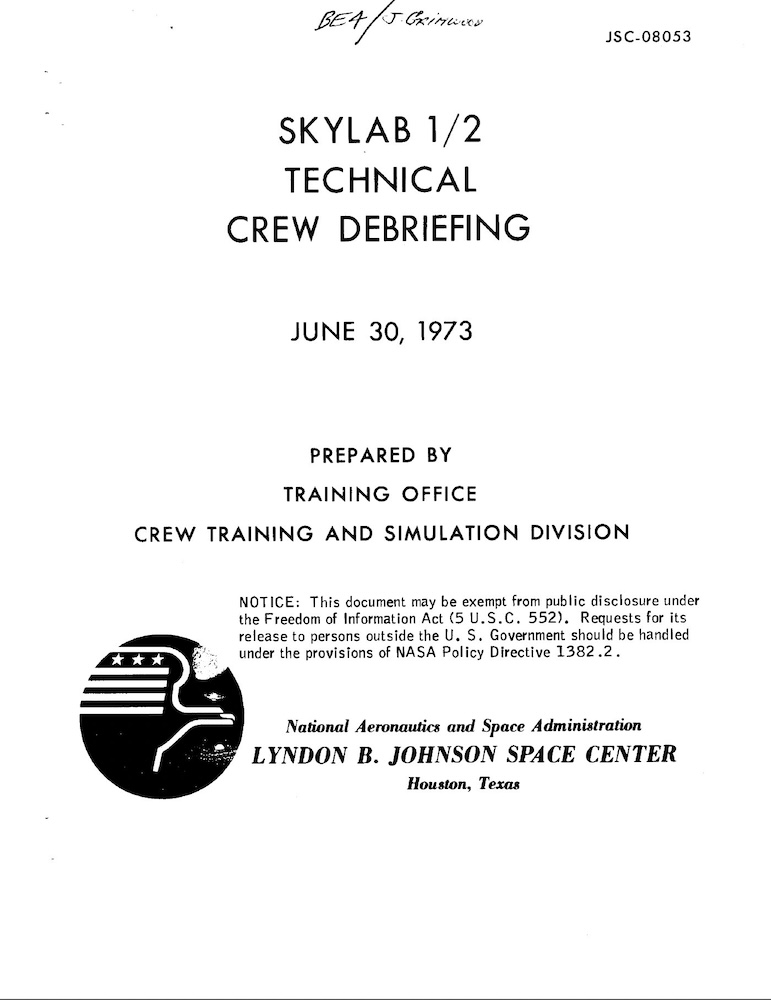
NASA-UAP-D007, Entrevista Técnica da Tripulação Skylab 1973
Mesmo período
Mesmo release
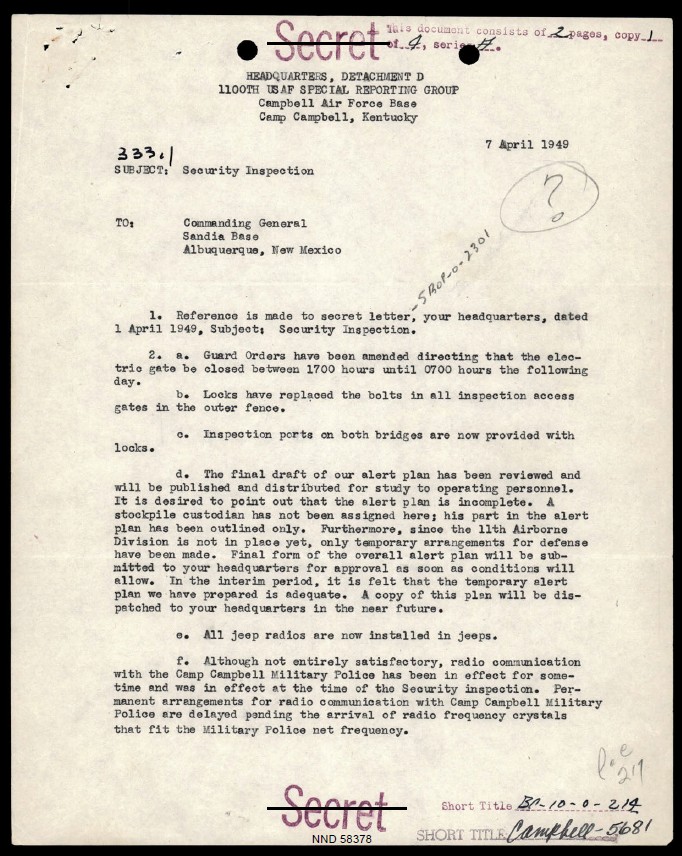
DOW-UAP-D017, UAP Relatado na Base Sandia, 1948-1950
NASA-UAP-D014, Mercury-Redstone 4, 21 de Julho de 1961
NASA-UAP-D008, Entrevista Médica Apollo 12 - Fita 12, 1969
DOE-UAP-D002, Correspondência de James Tuck, Década de 1970
NASA-UAP-D009, Trecho de Áudio Apollo 17, 7 de Dezembro de 1972
CIA-UAP-D001, Relatório de Informações de Inteligência, URSS, 1973
Mesma agência
NASA-UAP-D016, Debriefing Preliminar da Tripulação da Gemini 4, Parte I, 1965
NASA-UAP-D017, Debriefing Preliminar da Tripulação da Gemini 4, Parte II, 1965
NASA-UAP-D019, Debriefing Técnico da Gemini 5, Parte I, 1965
NASA-UAP-D020, Debriefing Técnico da Gemini 5, Parte II, 1965
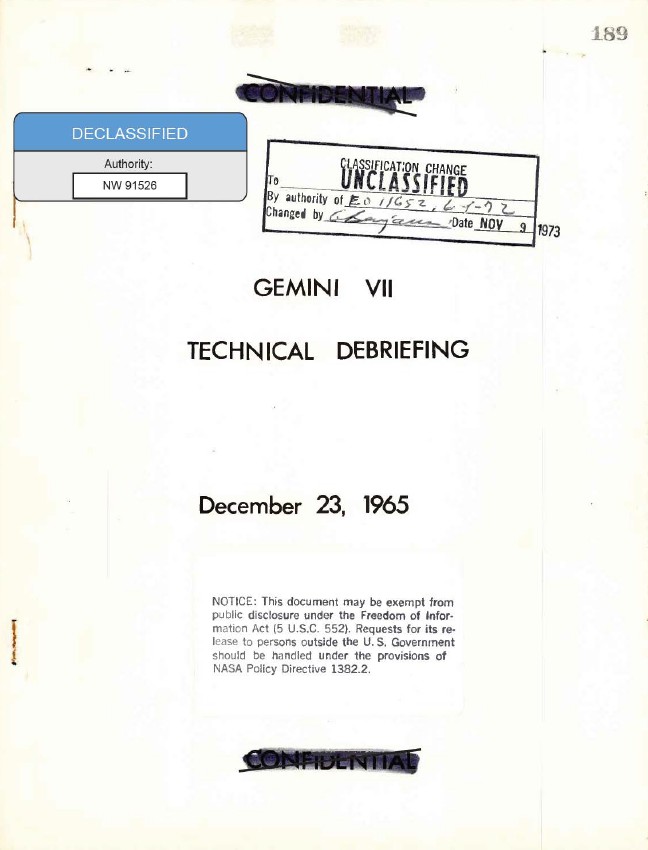
NASA-UAP-D021, Debriefing Técnico da Gemini 7, 1965