NASA-UAP-D008, Apollo 12 - Debriefing Medico - Nastro 12, 1969
Dati principali
Descrizione ufficiale
Durante un debriefing medico dell'equipaggio della missione Apollo 12, il Comandante Charles "Pete" Conrad, il Pilota del Modulo di Comando Richard "Dick" F. Gordon, e il Pilota del Modulo Lunare Alan L. Bean descrivono le loro osservazioni di istanze di lampi luminosi o "strisce di luci". Gli astronauti hanno ciascuno riferito che queste esperienze si sono verificate al buio mentre cercavano di dormire. Il team medico della NASA ha considerato se fenomeni simili segnalati dall'Astronauta Buzz Aldrin del Modulo Lunare dell'Apollo 11 potessero essere attribuibili all'esposizione della retina ai raggi cosmici. La NASA successivamente ha determinato che i fenomeni segnalati dall'equipaggio del volo Apollo 12 erano interni alla visione degli astronauti piuttosto che fonti di luce esterne.
✦ Riassunto IA
Questa è una registrazione audio di una sessione di debriefing medico della NASA con l'equipaggio dell'Apollo 12 — il comandante Charles "Pete" Conrad, il pilota del modulo di comando Richard "Dick" Gordon e il pilota del modulo lunare Alan Bean — in cui discutono lampi e strisce di luce osservati mentre cercavano di dormire nella cabina buia della navicella. Un medico di volo/intervistatore apre la sessione chiedendo informazioni su un rapporto che menziona "scariche coronali," spingendo l'equipaggio a descrivere il fenomeno in dettaglio: lampi o strisce visti con un occhio alla volta (non entrambi), che si verificano a vari angoli anche se spesso orizzontali e in movimento da destra verso sinistra, paragonabili a qualcuno che accende e spegne una luce. L'equipaggio collega questo a precedenti segnalazioni di Buzz Aldrin durante l'Apollo 11 e discute i precedenti tentativi non riusciti della NASA (risalenti al Progetto Mercury) di fotografare strisce retiniche causate da impatti di raggi cosmici. La NASA in seguito concluse che i fenomeni erano interni alla vista degli astronauti (interazione dei raggi cosmici con la retina) piuttosto che fonti di luce esterne. Diversi passaggi sono inudibili.
Generato con IA dal file ufficiale — può contenere errori.
▸Trascrizione
[00:00] Interviewer: Listen, we read this paragraph in here about these, quote, "coronal discharges" that you guys were seeing, and that completely stops us. Tell us how this came about, and who talked to you about it, and what you saw. [00:19] Crew: Somebody reported on one of the earlier flights that some guy, like at the letters paper or somewhere, they shifted down and made the case about two things — where the VHF radio noises, which could be discharges from some places, played, and the other one, where I thought it was a new flight, we said [unintelligible] planned to do a spacecraft. It's [unintelligible] with their eyes closed. They noticed that when they were awake at night, the spacecraft was dark, and they thought [something in their eyes]. But whoever this guy [was] wants to know — that's a perfectly known phenomenon. You can get discharges across your eyes from gamma rays or something. [00:56] Crew: So they had a bunch of things — would we hold our eyes and face the moon? You know, when we were orbiting it, because you'd get less discharges facing the moon and away from it. But it doesn't have to be near the moon or anywhere — the first night it happened. And if you keep your eyes closed while you're awake down there and it's dark, and you think about it — when it happens, you notice it's one eye. It's not a discharge if you see it in both eyes — you really see it with one eye or the other, and you can tell what kind it is. We had two kinds — I guess it's [the retina struck] perpendicular, or a discharge parallel — and we'd get either a flash like that, or we'd get a streak. [01:48] Crew: And I feel that — I know the way they got a flash or a streak. And I, for some reason, got more with my left eye than my right eye. But I could tell which eye it was that I was seeing it in. I'm trying to tell you the reason — because each flash was always out of that side of the spacecraft. That's what I was going to point out — I called all the right ones my eyes. [laughter] [02:22] Crew: They should have protected you, Dick. They should have picked them all up. [02:26] [unintelligible] [02:48] Crew: I remember their conversation about it — they thought of it as something penetrating the spacecraft. [02:56] Crew: What Peter described is the exact phenomenon [experienced by] all three of us. You can see a light — there's a flash out there, or sometimes it would be a streak. And I saw them in both eyes, either eye — I can't remember if it was more predominant in one or the other. But I agree with Peter — the phenomenon, if you're not seeing it in both eyes, is not something external. [03:19] [unintelligible] [03:29] Crew: Well, we've been looking for cosmic rays — cosmic ray strikes, and heavy particles, heavy nuclei that go through. We started, clear back in Mercury, taking photographs of the retina to see if you could see streaks across the retina, and stuff. We never could find any. So we stopped that early, and, well, by the end of the... [03:51] [unintelligible] [04:02] Crew: Well, probably what it's doing anyway is probably hitting just a single cell. That's all it would take, particularly to make this flash — you hit a single cell. [04:12] Crew: I saw one night — I was looking at the MDC, a handrail up above, and one of my [streaks], I don't know where it went — right along my handrail for about that [length] — that's just... I just happened to be looking at that. [04:27] Crew: And now you can almost see it as well. — That's right, where it's just lying there. — He's holding your eyes. — He wanted to yell with my eye, and he hasn't already seen it — he didn't believe it on Earth. [04:39] [unintelligible] [05:02] Interviewer: Let me ask you one more question about [unintelligible]... Oh, here. [05:07] [unintelligible] [05:15] Interviewer: Okay, were these things random, or did they all seem to be in one direction? Like, were they always horizontal, or were they at random? [05:24] Crew: They could be at any kind of angle. [05:26] [unintelligible] [05:40] Crew: If I knew where I was looking, it always seemed like a horizontal streak, a little bit above the center, and it always seemed to me it went from right to left. [05:49] [unintelligible] [06:03] Crew: Like somebody was flashing a light at you. [06:06] [unintelligible] [06:19] Interviewer: Is that about the same for both of you? Is that the same reaction you had, Dick and Al, the way Pete described it? [06:29] [unintelligible] [06:39] Crew: But about the same — they seemed to appear about the same place. — No, I know. [06:44] [unintelligible] [07:32] Crew: And then I'd sit there for a while and say, okay, was that the left eye or the right eye? It'd take you a while to sort it out. But you'd usually figure it out. Now, you know what you're doing — you're supposed to be sleeping. [laughter] [07:48] Crew: And there was a comment that— [recording ends]
Generato con IA dal file ufficiale — può contenere errori.
Traduzione automatica — il documento originale è in inglese. Vedi in inglese →
Fonte: Dipartimento della Guerra degli Stati Uniti / AARO — pubblico dominio · war.gov/ufo
Entità in questo documento
Casi collegati
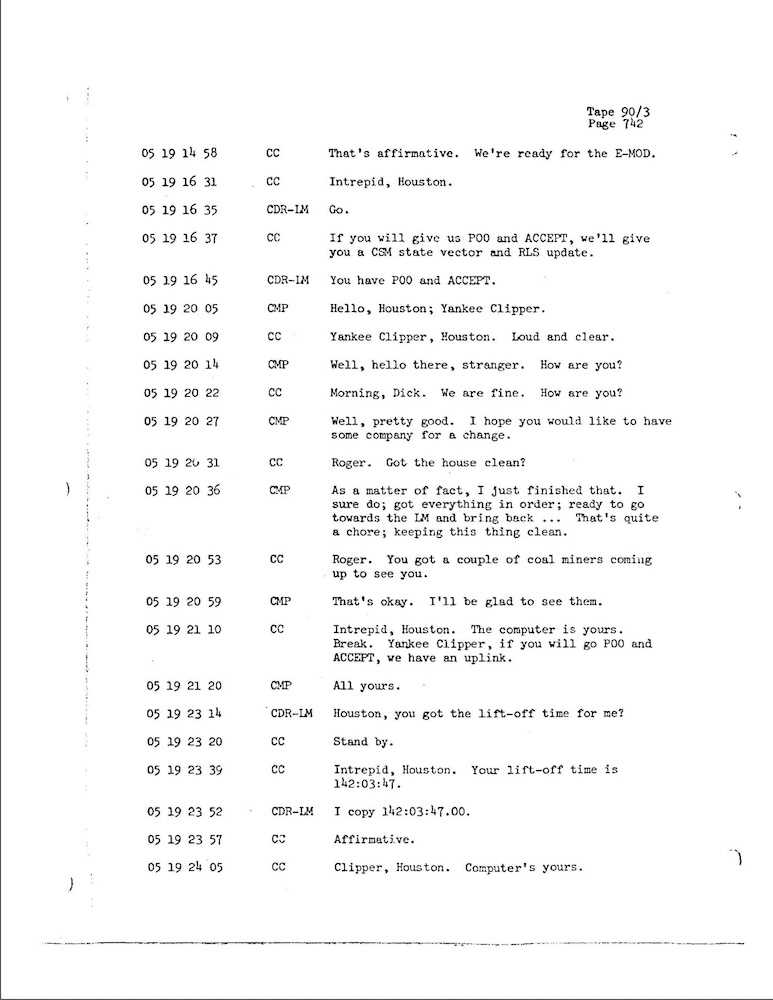
NASA-UAP-D001, Apollo 12 Transcript, 1969
NASA-UAP-D007, Skylab Technical Crew Debriefing 1973
NASA-UAP-D026, Apollo 14 Debriefing, 1971
NASA-UAP-D027, Apollo 14 Debriefing (Continued), 1971
NASA-UAP-D028, Apollo 17 Crew Medical Debriefing, 1972

NASA-UAP-D029, Apollo 17 Crew Medical Debriefing (Continued), 1972
Casi correlati
Stessa località
NASA-UAP-D026, Debriefing dell'Apollo 14, 1971
NASA-UAP-D027, Debriefing dell'Apollo 14 (continuazione), 1971
NASA-UAP-D028, Debriefing medico dell'equipaggio dell'Apollo 17, 1972
NASA-UAP-D029, Debriefing medico dell'equipaggio dell'Apollo 17 (continuazione), 1972
DOE-UAP-D005, Rapporto sull'incidente dell'oggetto non identificato di Pantex, 2015
Stessa serie di fascicoli
NASA-UAP-D001, Trascrizione Apollo 12, 1969
NASA-UAP-D002, Trascrizione Apollo 17, 1972
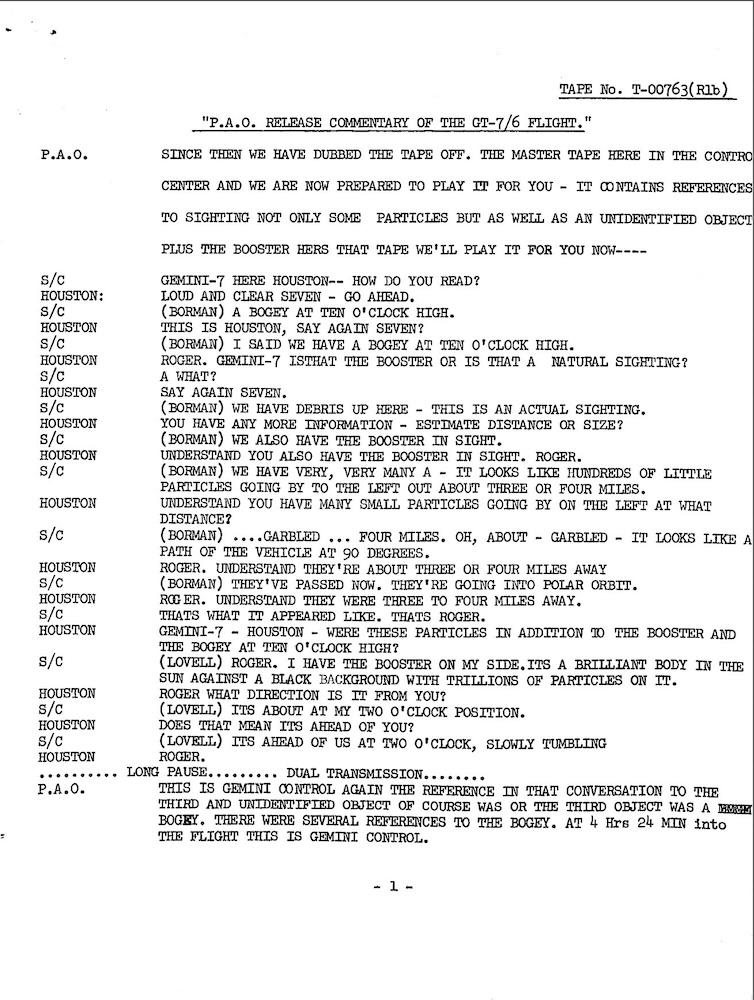
NASA-UAP-D003, Trascrizione Gemini 7, 1965

NASA-UAP-D003A, Estratto Audio Gemini 7, 1965
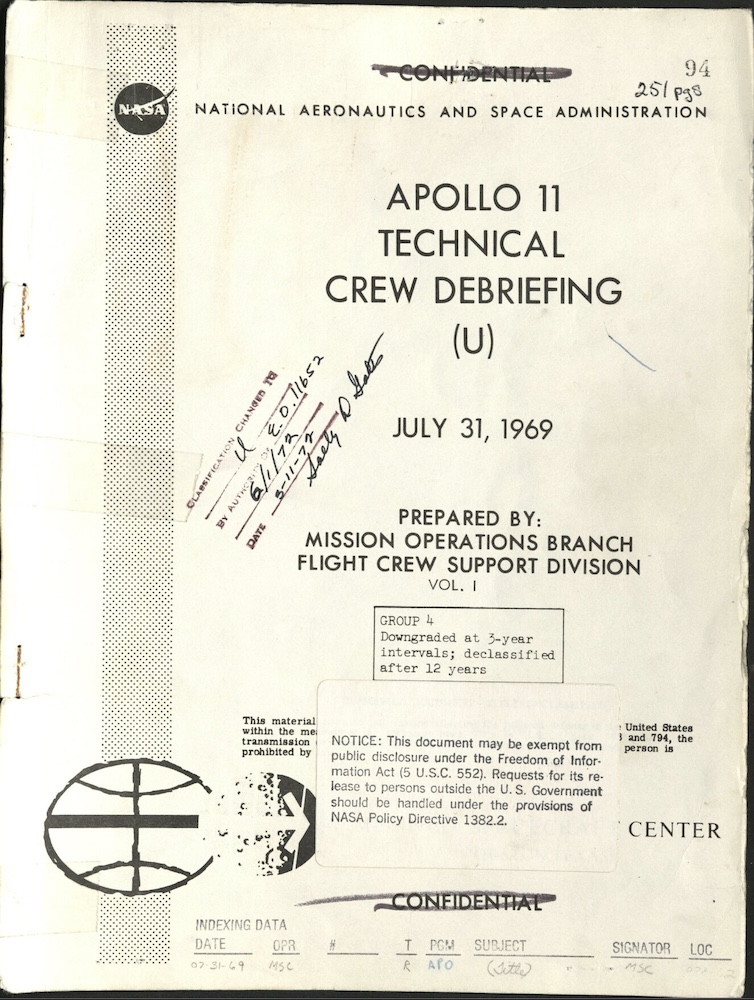
NASA-UAP-D004, Debriefing Tecnico dell'Equipaggio dell'Apollo 11, 1969
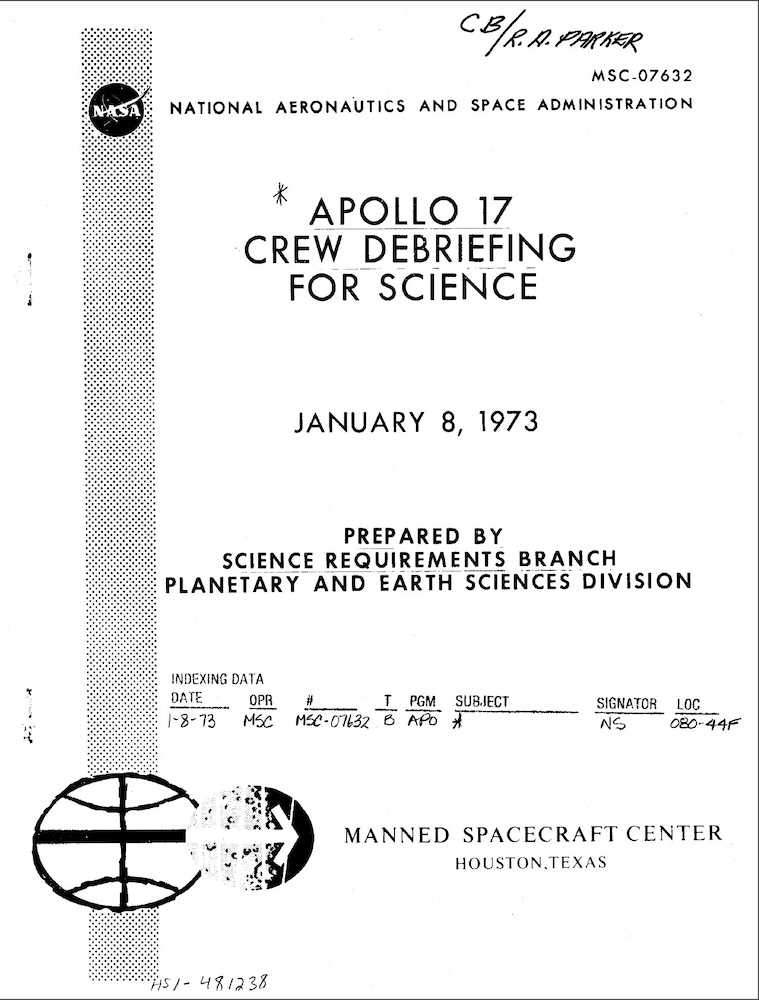
NASA-UAP-D005, Debriefing Scientifico dell'Equipaggio dell'Apollo 17, 1973
Stesso periodo
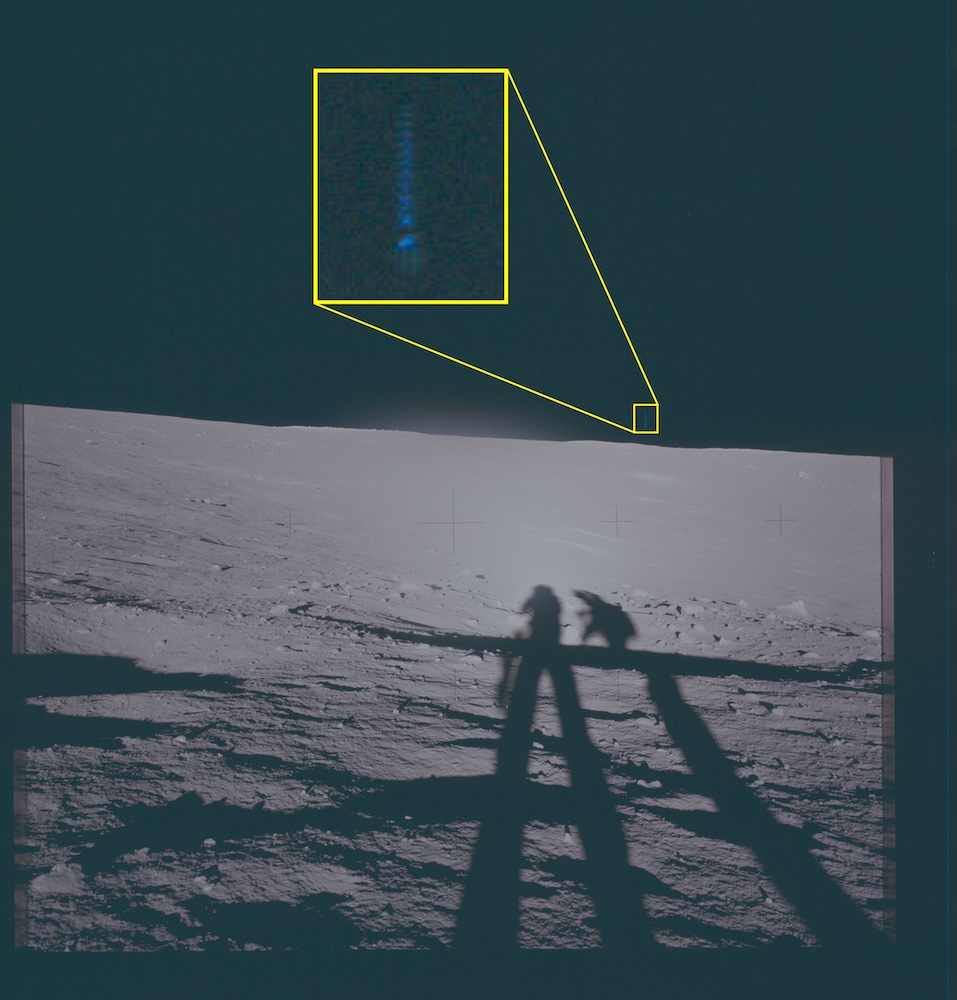
NASA-UAP-VM001, Apollo 12, 1969
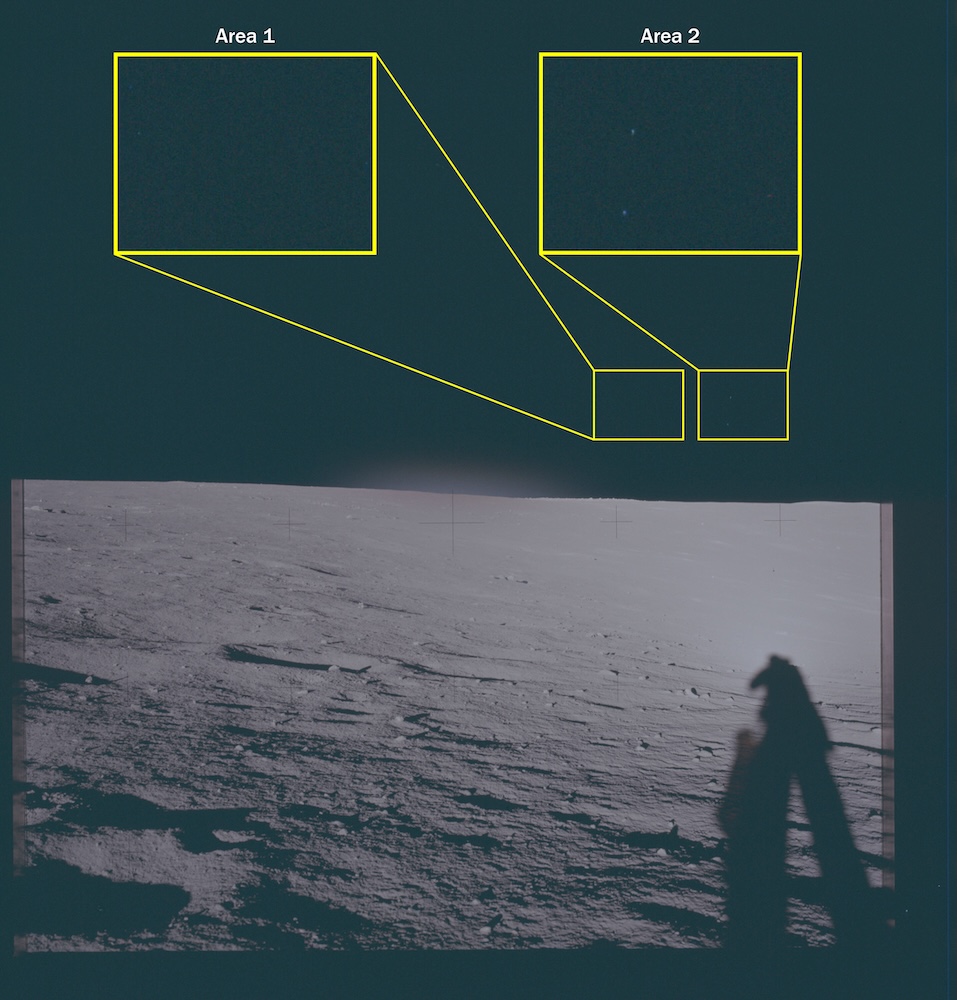
NASA-UAP-VM002, Apollo 12, 1969
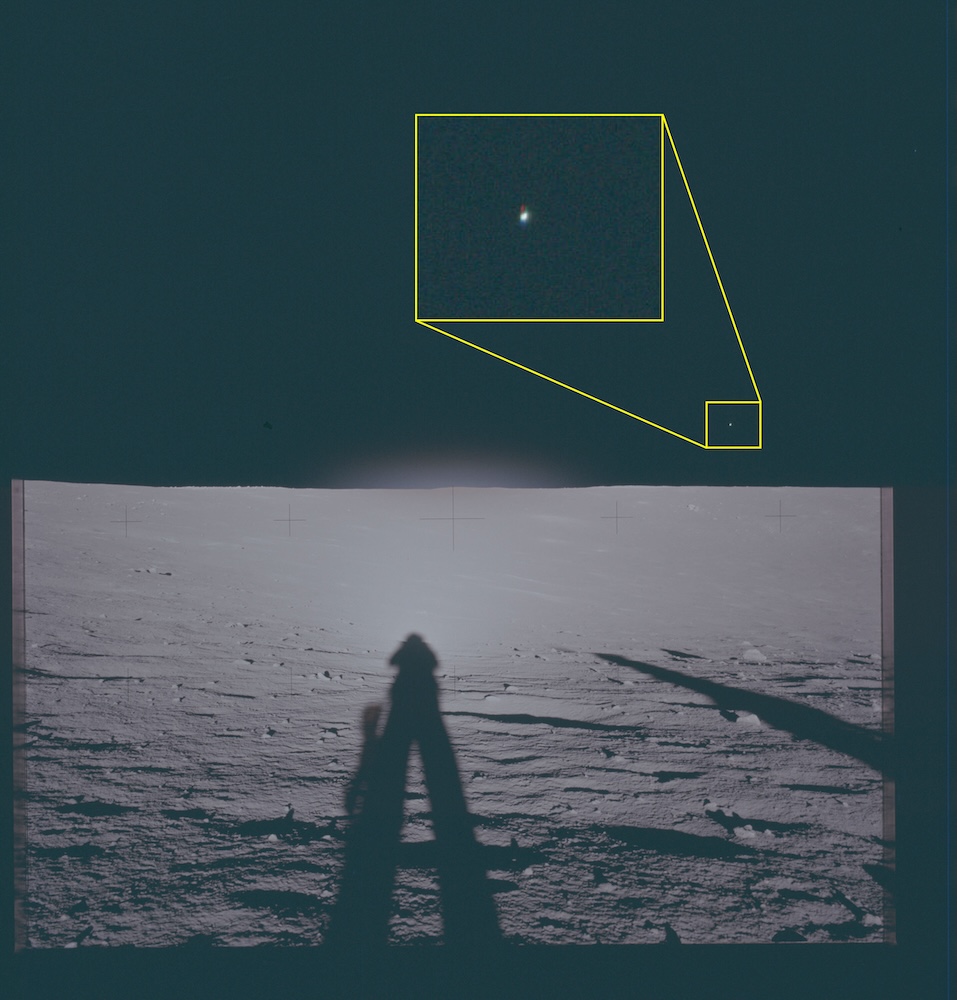
NASA-UAP-VM003, Apollo 12, 1969
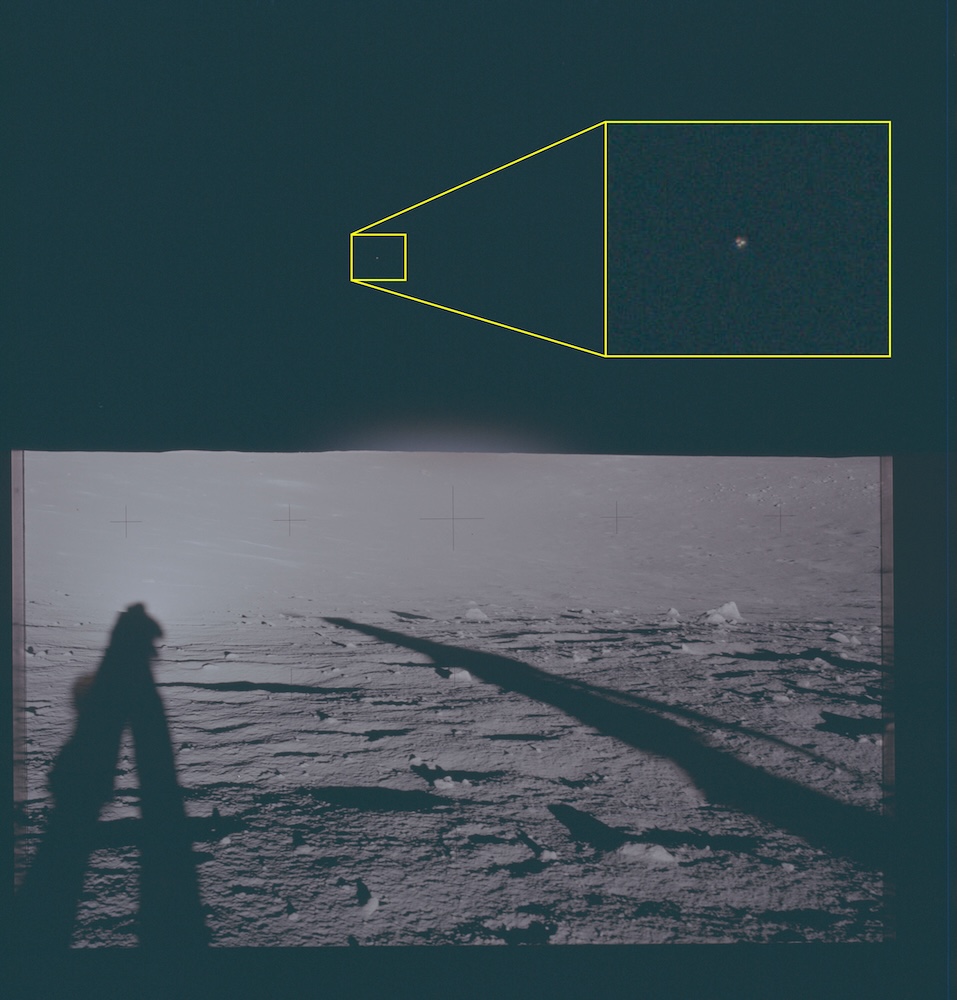
NASA-UAP-VM004, Apollo 12, 1969
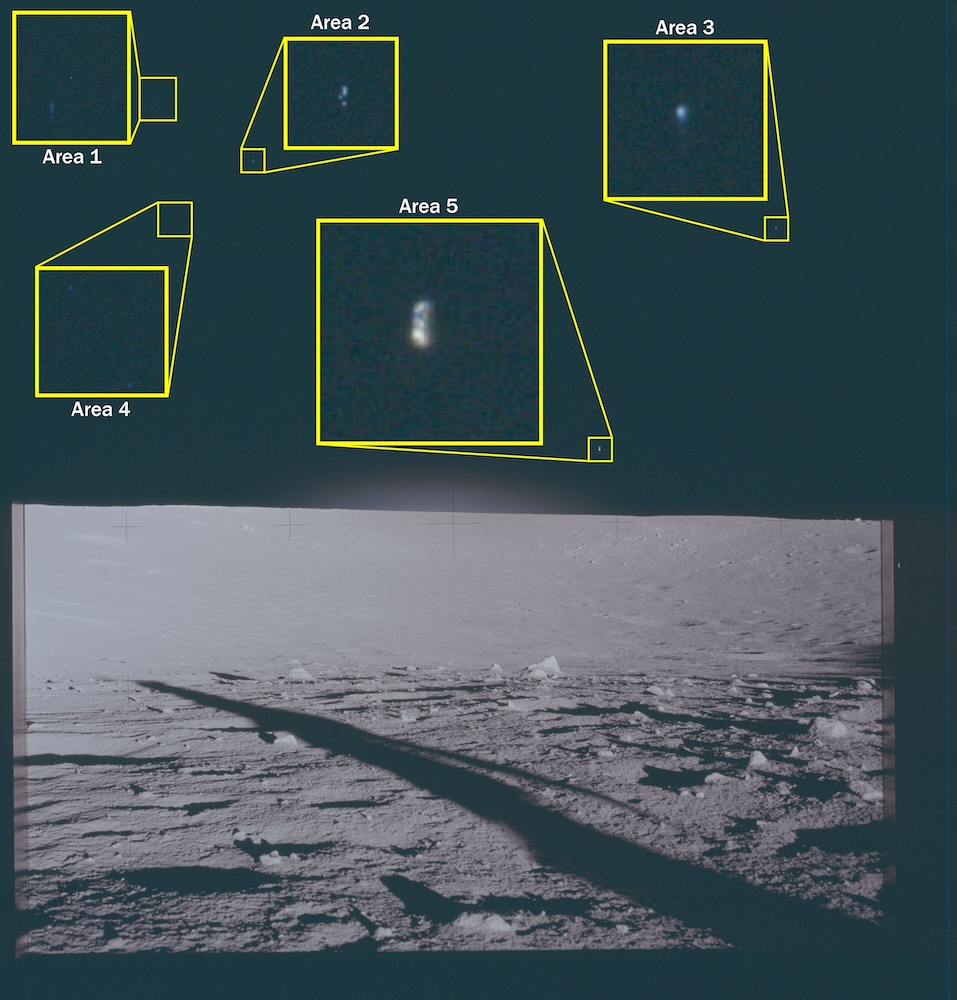
NASA-UAP-VM005, Apollo 12, 1969
Stesso release
DOW-UAP-D017, UAP segnalati presso la base di Sandia, 1948-1950
NASA-UAP-D014, Mercury-Redstone 4, 21 Luglio 1961
NASA-UAP-D012, Mercury Atlas 8 - Estratto Audio, 3 Ottobre 1962
NASA-UAP-D013, Mercury Atlas 7, 24 Maggio 1962
NASA-UAP-D010, Mercury Atlas 9 - Estratto Audio, 15 Maggio 1963
NASA-UAP-D011, Mercury Atlas 9 - Estratto Audio, 15 Maggio 1963
Stessa agenzia
NASA-UAP-D015, Debriefing scientifici degli astronauti, 1962-1963
NASA-UAP-D023, Estratto di un'intervista all'astronauta Gordon Cooper, 1962
NASA-UAP-D016, Debriefing preliminare dell'equipaggio del Gemini 4, Parte I, 1965
NASA-UAP-D017, Debriefing preliminare dell'equipaggio del Gemini 4, Parte II, 1965
NASA-UAP-D018, Debriefing sugli esperimenti del Gemini 4, 1967