NASA-UAP-D004, Apollo-11-Technisches Besatzungsdebriefing, 1969
Kerndaten
- Offizielle Akten-ID
- NASA-UAP-D4 (hier zitiert als NASA-UAP-D004)
- Dokumenttyp
- Dokument
- Behörde
- NASA
- Veröffentlicht in
- R01 · 2026-05-08
- Datum des Vorfalls
- 1969
- Ort des Vorfalls
- Lesbare Seiten
- 11/11
- VIRIN
- 260508-O-D0360-1063
Offizielle Beschreibung
Apollo 11 war die dritte bemannte Mission zum Mond und die erste, bei der Astronauten auf der Mondoberfläche landeten. Bei diesem Dokument handelt es sich um einen Auszug aus dem technischen Besatzungsdebriefing der Apollo 11 (Bände 1 und 2) vom 31. Juli 1969. Das Dokument hebt drei Beobachtungen hervor: erstens ein Objekt auf dem Weg zum Mond; zweitens Lichtblitze innerhalb der Kabine; und drittens eine Sichtung eines hellen Lichts auf dem Rückflug, das die Besatzung vorläufig für einen Laser hielt. • Seite 6-33 (Bd. 1). [Mondlandefähren-Pilot der Apollo 11, Buzz Aldrin]: „Das erste ungewöhnliche Ding, das wir sahen, war glaube ich einen Tag nach dem Start oder ziemlich nah am Mond. Es hatte eine beträchtliche Größe, also richteten wir das Monokular darauf.“ Die Besatzung vermutete, dass es sich um die S-IVB-Stufe der Saturn-V-Trägerrakete gehandelt haben könnte. • Seite 6-37 (Bd. 1). [Mondlandefähren-Pilot der Apollo 11, Buzz Aldrin] „Die andere Beobachtung, die ich machte, verdichtete sich allmählich. Ich weiß nicht, ob ich sie in der ersten Nacht sah, aber in der zweiten Nacht bin ich mir sicher. Ich versuchte bei ausgeschaltetem Licht einzuschlafen. Ich beobachtete, was ich für kleine Blitze innerhalb der Kabine hielt, im Abstand von ein paar Minuten…“ • Seite 21-1 (Bd. 2). [Mondlandefähren-Pilot der Apollo 11, Buzz Aldrin] „Ich beobachtete, was wie eine ziemlich helle Lichtquelle aussah, die wir vorläufig einem möglichen Laser zuschrieben.“
✦ KI-Zusammenfassung
Dies ist ein 11-seitiges NASA-Dokument mit dem Titel Apollo 11 Technical Crew Debriefing (1969), Teil der NASA-UAP-Freigabeveröffentlichung. Die PDF-Datei besteht ausschließlich aus gescannten Seitenbildern ohne eingebettete OCR-/Textebene, sodass über pdf.js kein maschinenlesbarer Text extrahiert werden konnte. Basierend auf dem Dateinamen und dem Veröffentlichungskontext wird erwartet, dass es sich bei diesem Dokument um ein technisches Debriefing-Transkript der Apollo-11-Besatzung (Neil Armstrong, Buzz Aldrin, Michael Collins) nach der ersten bemannten Mondlandemission handelt, das möglicherweise nach dem Flug besprochene operative Anomalien oder visuelle Beobachtungen enthält; der genaue Inhalt kann jedoch ohne OCR oder visuelle Durchsicht der gescannten Seiten nicht bestätigt werden.
Mit KI aus der Originaldatei erstellt — kann Fehler enthalten.
▸Transkript(11 von 11 Seiten lesbar)
[PAGE 1] Biwwio weep eer eee CONHBENTIAL asl Pas NATIONAL AERONAUTICS AND SPACE ADMINISTRATION APOLLO 11 TECHNICAL CREW DEBRIEFING JULY 31 1969 PREPARED BY MISSION OPERATIONS BRANCH FLIGHT CREW SUPPORT DIVISION VOL GROUP Downgraded at 3-year intervals declassified after 12 years This material United States within the me transmission NOTICE This document may be exempt from oosige sai prohibited by public disclosure under the Freedom of Infor- eee mation Act U.S.C 552 Requests for its re- lease to persons outside the U.S Government should be handled under the provisions of oe NASA Policy Directive 1382.2 CENTER LOC [PAGE 2] nna ae 6-33 COLLINS I think particularly when you get into the later flights of extended EVA's and lunar activity somehow the crew must place themselves in a frame of mind of looking on the separation of the LM as the beginning of the flight plan and to relax get plenty of sleep and conserve their energies in all the events leading up to that point To arrive in lunar orbit tired can create prob- lems and it's possible to do that if you don't approach it in the right frame of mind ARMSTRONG I think Mike's hit the nail on the head We did precisely that We got a lot of rest and got into lunar orbit eager to go to work and that's a particularly fortunate position to be in COLLINS This is something we've talked about before the flight and I don't know how you can get yourself in that frame us of mind but I think it is a frame of mind You have to get yourself convinced that there will be a nice relaxing couple of days going to the moon ALDRIN The first unusual thing that we saw I guess was day out or something pretty close to the moon It had a sizeable dimension to it so we put the monocular on it [PAGE 3] 6-3h COLLINS ALDRIN COLLINS ARMSTRONG COLLINS ALDRIN ARMSTRONG ALDRIN How'd we see this thing Did we just look out the window and there it was Yes and we weren't sure but what it might be the S-IVB We called the ground and were told the S-IVB was 6000 miles away We had a problem with the high gain about this time didn't we There was something We felt a bump or maybe I just imagined it He was wondering whether the MESA had come off I don't guess we felt anything Of course we were seeing all sorts of little objects going by at the various dumps and then we happened to see this one brighter object going by We couldn't think of anything else it could be other than the S-IVB We looked at it through the monocular and it seemed to have a bit of an shape to it Like an open suitcase We were in PTC at the time so each one of us had a chance to take a look at this and it certainly seemed to be with- in our vicinity and of a very sizeable dimension a GONHBENTIAL [PAGE 4] ARMSTRONG ALDRIN ARMSTRONG ALDRIN ARMSTRONG COLLINS ALDRIN Tay FIA bis We should say that it was right at the limit of the reso- lution of the eye It was very difficult to tell just what shape it was And there was no way to tell the size without knowing the range or the range without knowing the size So then I got down in the LEB and started looking for it in the optics We were grossly mislead because with the sextant off focus what we saw appeared to be a cylinder Or really two rings Yes Two rings Two connected rings No it looked like a hollow cylinder to me It didn't look like two connected rings You could see this thing tumbling and when it came around end-on you could look right down in its guts It was a hollow cylinder But then you could change the focus on the sextant and it would be replaced by this open-book shape It was really weird I guess there's not too much more to say about it other than it wasn't a cylinder TONEBENTIAL [PAGE 5] 6-36 COLLINS ALDRIN COLLINS It was during the period when we thought it was a cylinder that we inquired about the S-IVB and we'd almost convinced ourselves that's what it had to be But we don't have any more conclusions than that really The fact that we didn't see it much past this one time period we really don't have a conclusion as to what it might have been how big it was or how far away it was It was something that wasn't part of the urine dump we're pretty sure of that Skipping ahead a bit when we jettisoned the IM you know we fired an explosive charge and got rid of the docking rings and the LM went boom Pieces came off the LM It could have been some Mylar or something that had somehow come loose from the IM We thought it could have been a panel but it didn't appear to have that shape at all That's right and for some reason we thought it might have been a part of the high gain antenna It might have been about the time we had high gain antenna problems In the back of my mind I have some reason to suspect that its origin was from the spacecraft [PAGE 6] “TONEDENT At The other observation that I made accumulated gradually I don't know whether I saw it the first night but I'm sure I saw it the second night I was trying to go to sleep with all the lights out I observed what I thought were little flashes inside the cabin spaced a couple of minutes apart and I didn't think too much about it other than just note in my mind that they continued to be there I couldn't explain why my eye would see these flashes Deine transearth coast we had more time and I devoted more opportunity to investigating what this could have been It was at that point that I was able to observe on two different occasions that instead of observing just one flash I could see double flashes at points separated by maybe a foot At other times I could see a line with no direction of motion and the only thing that comes to my mind is that this is some sort of pene- tration At least that's my guess without much to sup- port it some penetration of some object into the spacecraft that causes an emission as it enters the cabin itself Sometimes it was one flash on entering Possibly departing from an entirely different part of the cabin outside the field of view The double flashes appeared to have an entry and then impact on something such as the struts For a while I thought it might have been “ESREBENTIAL [PAGE 7] 6-38 ALDRIN CONT'D ARMSTRONG some static electricity because I was also able in moving my hand up and down the sleep restraint to generate very small sparks of static electricity But there was a definite difference between the two as I observed it more and more I tried to correlate this with the direc- tion of the sun When you put the window shades up there is still a small amount of leakage You can generally tell within 20 or 30 degrees the direction of the sun It seemed as though they were coming from that general direction however I really couldn't say if there was near enough evidence to support that these things were observable on the side of the spacecraft where the sun was A little bit of evidence seemed to support this I asked the others if they had seen any of these and until about the last day they hadn't Buzz I'd seen some light but I just always attributed this to sunlight because the window covers leak a little bit of light no matter how tightly secured The only time I observed it was the last night when we really looked for it I spent probably an hour carefully watch- ing the inside of the spacecraft and I probably made 20 significant observations in this period [PAGE 8] CONEDENTIAT a ALDRIN Sometimes a minute or two would go by and then you'd see the two within the space of 10 seconds On an average I'd say just as a guess it was maybe something like one a minute Certainly more than enough to convince you that it wasn't an optical illusion It did give you a rather funny feeling to contemplate that something was zapping through the cabin There wasn't anything you could do about it ARMSTRONG It could be something like Buzz suggested Mainly a neutron or some kind of an atomic particle that would be in the visible spectrum [PAGE 9] BUEN Heep “RAG PSP CONFIDENTIAL 34 NATIONAL AERONAUTICS AND SPACE ADMINISTRATION APOLLO 11 TECHNICAL CREW DEBRIEFING 65 JULY 31 19GP PREPARED BY MISSION OPERATIONS BRANCH FLIGHT CREW SUPPORT DIVISION VOL II GROUP Downgraded at 3-year intervals declassified after 12 years ti Thi within the mean NOTICE This document may be exempt from mad 10h toe transmission or public disclosure under the Freedom of Infor- erson is prohibited by mation Act U.S.C 552 Requests for its re- lease to persons outside the U.S Government should be hancled under the provisions of NASA Pclicy Directive 1382.2 CENTER Si am IAL INDEXING DATA [PAGE 10] ARMSTRONG ALDRIN ARMSTRONG ALDRIN ARMSTRONG ALDRIN em 21.0 VISUAL SIGHTINGS Most of the items in Section 21 Visual Sightings have been previously reported 21.4 TRANSLUNAR AND TRANSEARTH FLIGHT There was only one minor observation returning from the Moon Looking back at it at a time after Mars had passed behind the Moon there was one time period where I imagined that the image of Mars was coming from a region where it couldn't come from because it was in a dark portion of the Moon This obviously was an optical illusion of some Sort I suspect that it was in fact just immediately adjacent to the horizon We must have looked at it immediately after it had come from the back side Yes 21.5 LUNAR ORBIT In lunar orbit following ascent we did note and mention to the ground that approaching CDH when the Earth came up above the lunar horizon I observed what appeared to be a fairly bright light source which we tentatively ascribed Ret ee [PAGE 11] “CONFIDENTIAL ALDRIN to a possible laser That seemed to be the best possible CONT'D explanation until we were coming back in the command module approaching the Earth and were able to observe something that gave about the same appearance When putting the fs monocular on the light source it appeared as though it was the reflection of the Sun from a relatively smooth body of water such as a lake I think we've revised our initial conclusion as to what the source of that light was that we saw coming from the Earth If no one owns up to having beamed the laser toward the Moon at that time it was more probably a reflection off a lake I still think it's an unusual phenomenon at that distance to see so bright a source of light In the film it didn't appear as though this was going to show up at all The Earth was too bright
Mit KI aus der Originaldatei erstellt — kann Fehler enthalten.
Automatische Übersetzung — das Originaldokument ist auf Englisch. Auf Englisch ansehen →
Quelle: US-Kriegsministerium / AARO — gemeinfrei · war.gov/ufo
Entitäten in diesem Dokument
Verbundene Fälle
Verwandte Fälle

NASA-UAP-D026, Apollo-14-Nachbesprechung, 1971
NASA-UAP-D027, Apollo-14-Nachbesprechung (Fortsetzung), 1971
NASA-UAP-D001, Apollo-12-Transkript, 1969
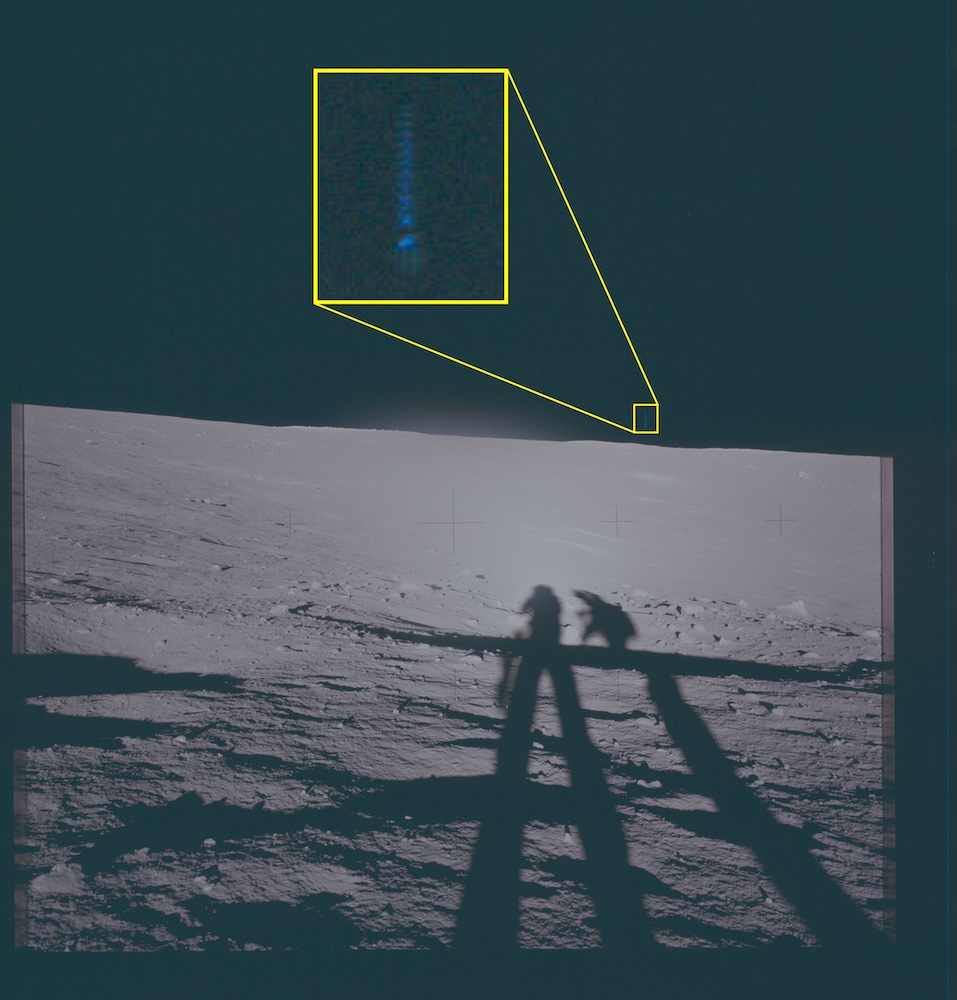
NASA-UAP-VM001, Apollo 12, 1969
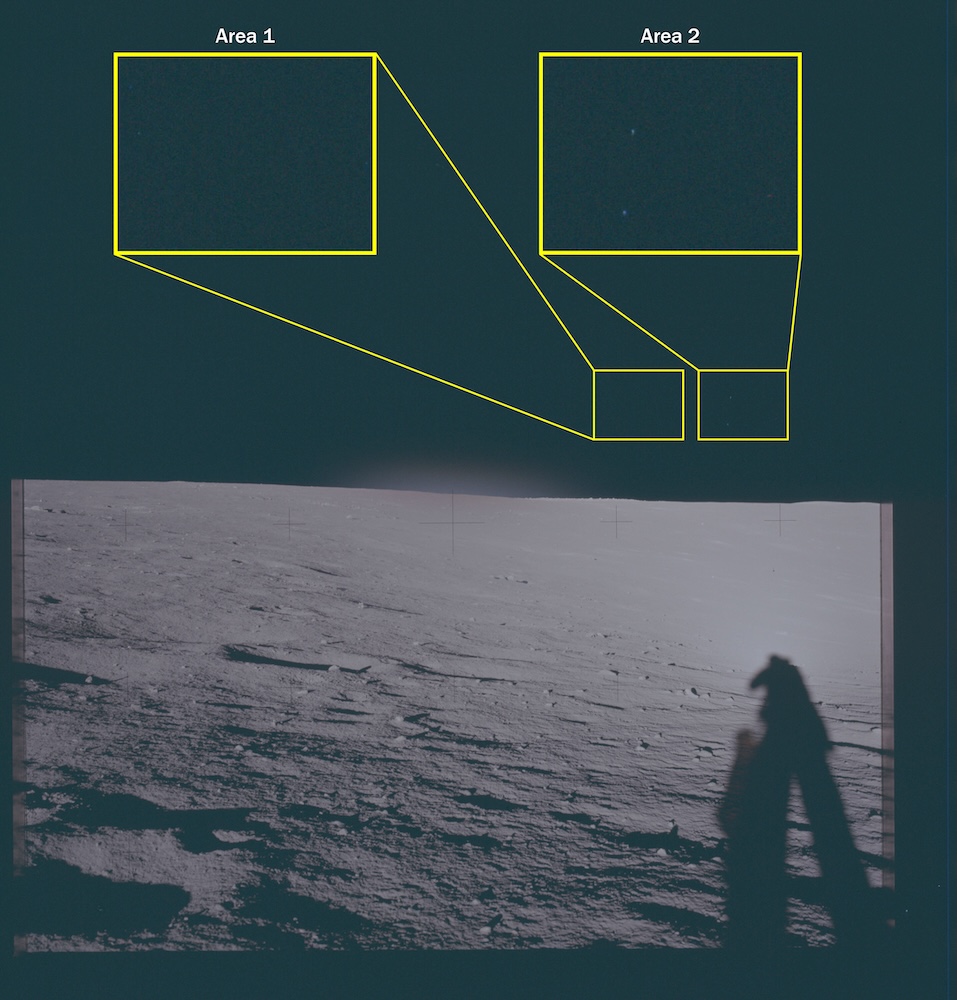
NASA-UAP-VM002, Apollo 12, 1969
Gleiche Aktenserie
NASA-UAP-D001, Apollo-12-Transkript, 1969
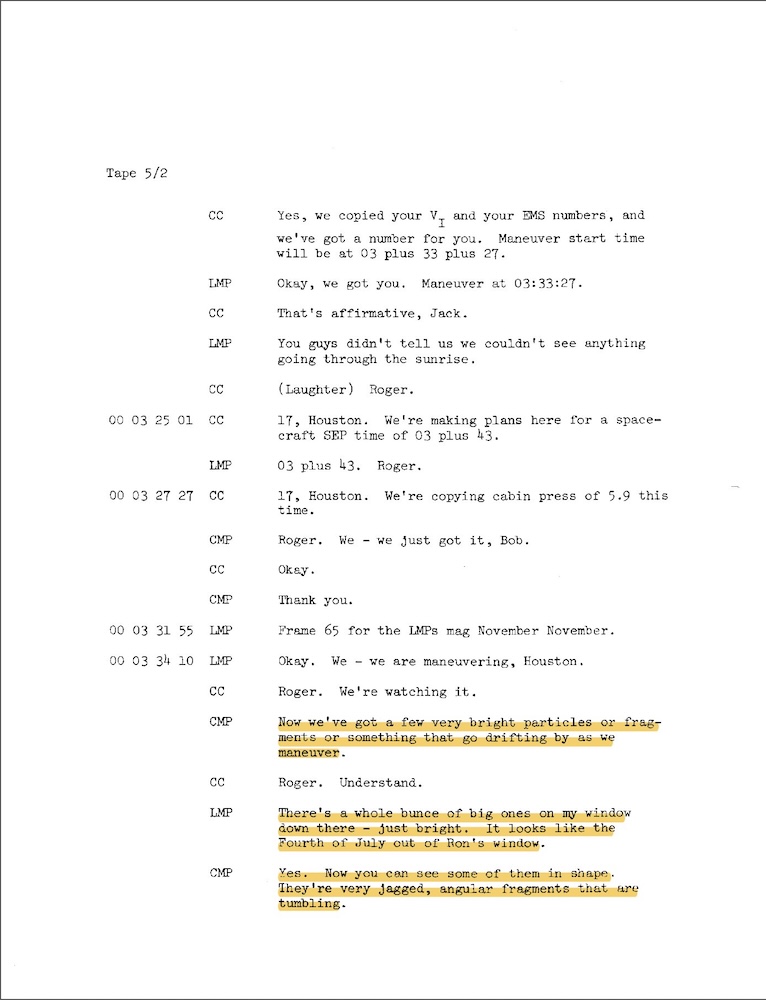
NASA-UAP-D002, Apollo-17-Transkript, 1972
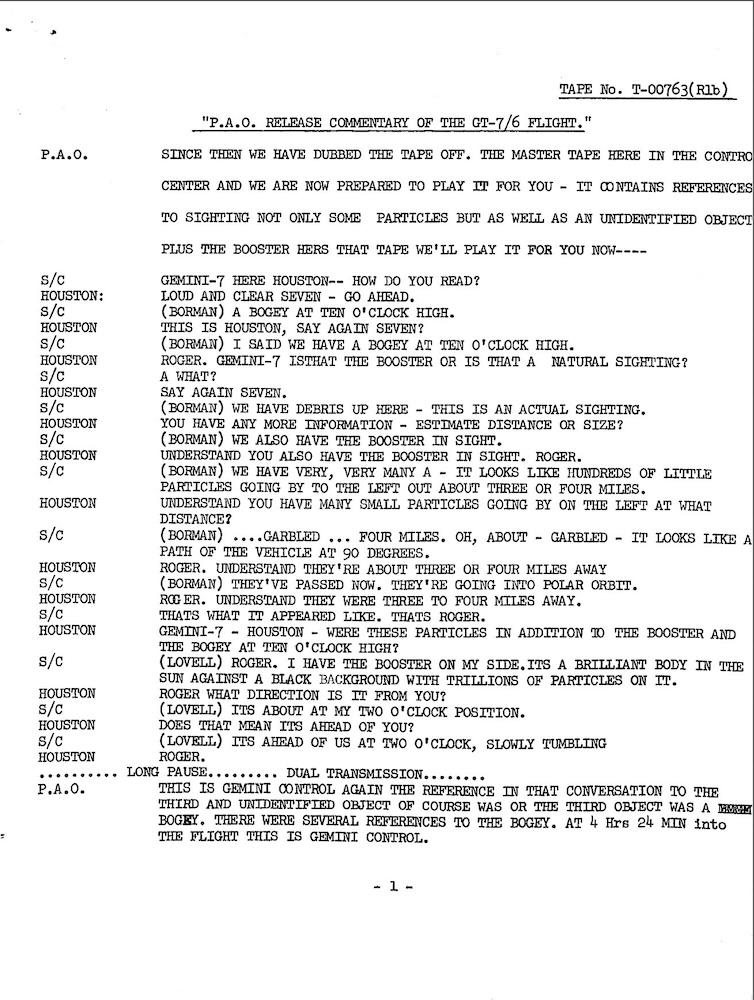
NASA-UAP-D003, Gemini-7-Transkript, 1965

NASA-UAP-D003A, Gemini-7-Audioausschnitt, 1965
NASA-UAP-D005, Apollo-17-Besatzungsdebriefing für Wissenschaft, 1973
NASA-UAP-D006, Apollo-17-Technisches Besatzungsdebriefing, 1973
Gleicher Zeitraum
NASA-UAP-D008, Apollo 12 Medizinisches Debriefing – Tonband 12, 1969
NASA-UAP-VM001, Apollo 12, 1969
NASA-UAP-VM002, Apollo 12, 1969
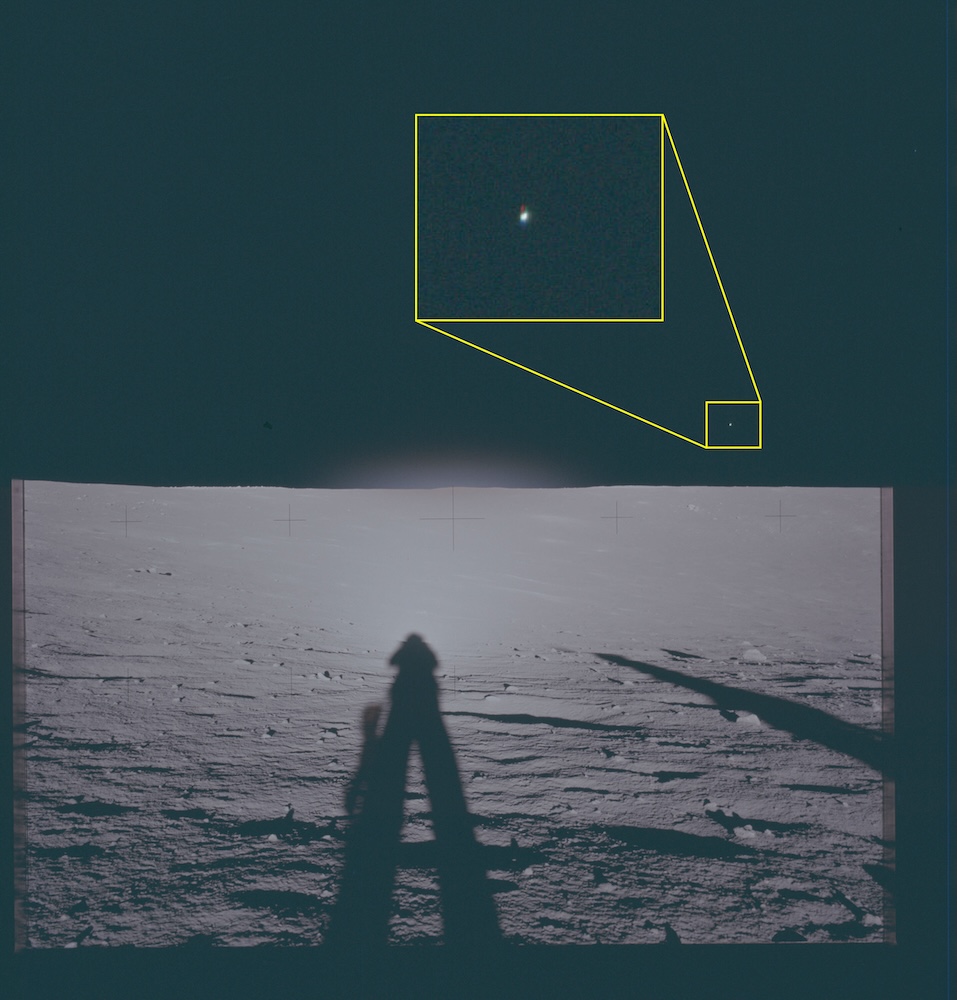
NASA-UAP-VM003, Apollo 12, 1969
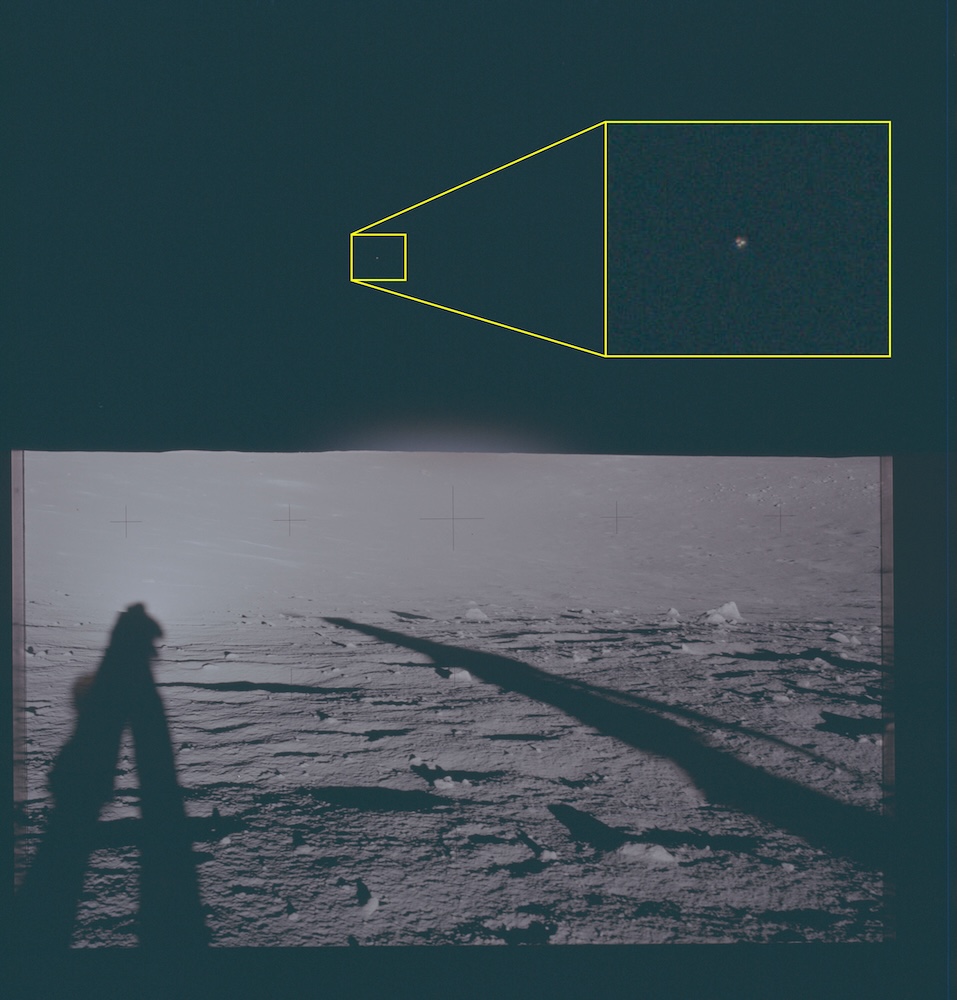
NASA-UAP-VM004, Apollo 12, 1969
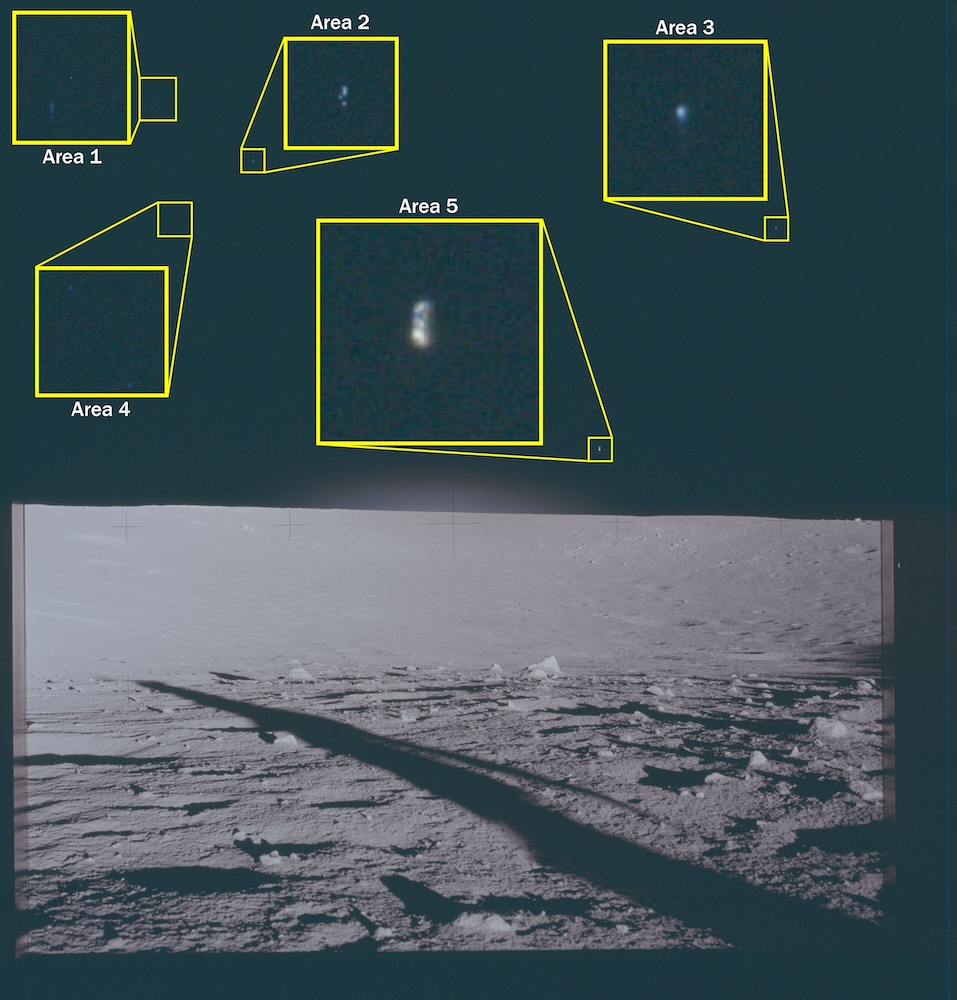
NASA-UAP-VM005, Apollo 12, 1969
Gleiche Veröffentlichung
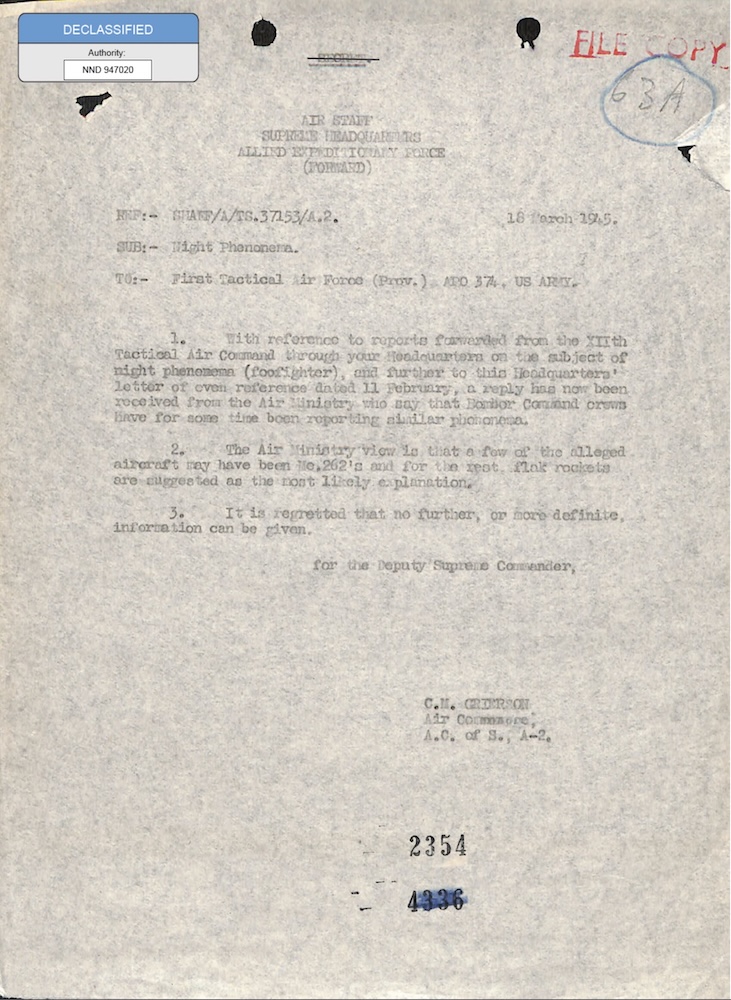
331_120752_Numeric_Files_1944–1945_37153_German_Armament_Equipment_Documents
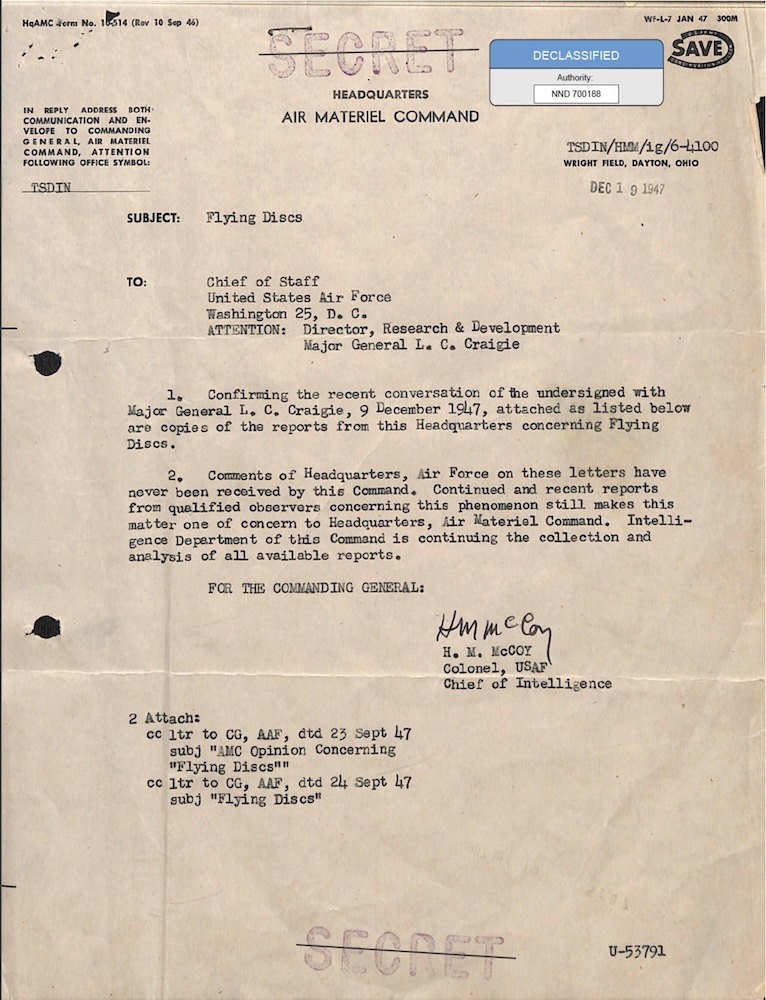
18_100754_ General 1946-7_Vol_2
18_6369445_General_1948_Vol_1
341_110448_Records_Relating_to_the_Collection_and_Dissemination_of_Intelligence_1948-1955-TS_CONT_No.2_2-5300-2-5399
342_HS1-416511228_319.1 Flying Discs 1949
59_64634_711.5612[7-2852
Gleiche Behörde
NASA-UAP-D014, Mercury-Redstone 4, 21. Juli 1961
NASA-UAP-D012, Mercury-Atlas-8-Audioausschnitt, 3. Oktober 1962
NASA-UAP-D013, Mercury-Atlas 7, 24. Mai 1962
NASA-UAP-D015, Wissenschaftliche Astronauten-Debriefings, 1962–1963
NASA-UAP-D023, Interviewausschnitt mit Astronaut Gordon Cooper, 1962