Release report
Release 5: the 1946 ghost rockets, the USS Gyatt in 1964, the FBI triangles and the AC-130 videos over the Gulf of Oman
On August 7, 2026 the U.S. Department of War published the fifth release (Release 5) of the PURSUE program: 41 files, including 22 PDF documents, 16 videos and 3 images. With them the archive grows from 334 to 375 files.
The release falls into five blocks: three documents from 1947 to 1953 (the Scandinavian "ghost rockets", Project Sign and the analysis of Navy films), five on the alleged crash in Bahia (Brazil, 1963) and the USS Gyatt incident (Puerto Rico, 1964), eight from the FBI on dark triangles described in interviews from 2024 to 2026, nine on lights in the western U.S. in 2026, and 16 military sensor files, including the AC-130 report over the Gulf of Oman.
Ghost rockets, Project Sign and Navy films (1947–1953)
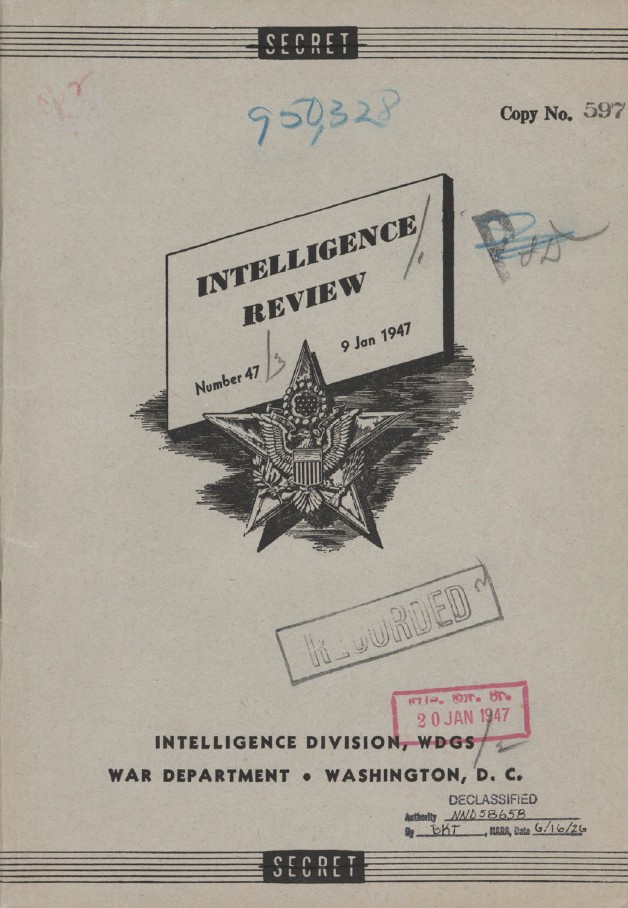
The intelligence review "Ghost Rockets over Scandinavia" (D099), dated January 9, 1947, covers the "ghost rockets" seen from late May 1946 over southern Sweden and later over Finland, Denmark and Norway. The two most common descriptions were "a ball of fire with a tail" and a "shiny cigar-shaped object", and no fragments were recovered except bits described as "nonmetallic slag". The Swedish Defense Staff privately attributed the sightings to Soviet missiles launched from Peenemünde, while its public communiques shifted.
Read more ↓
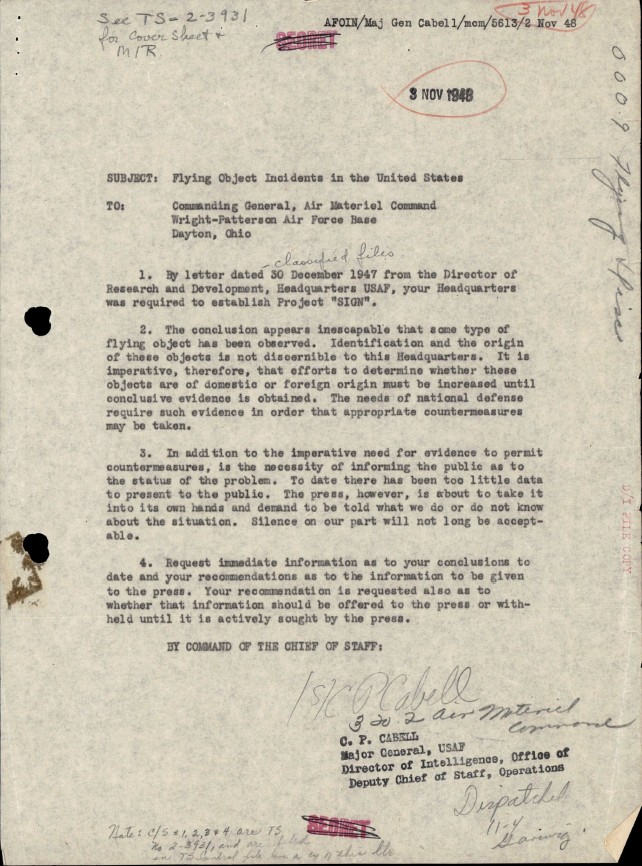
The second (D100) is a 245-page dossier (237 pages legible) of Air Materiel Command correspondence from 1947–1948. Its core is a September 23, 1947 letter concluding that the phenomenon "is something real and not visionary or fictitious" and recommending a directive assigning a priority, classification and code name for a detailed study; the official description links it to Project Sign.
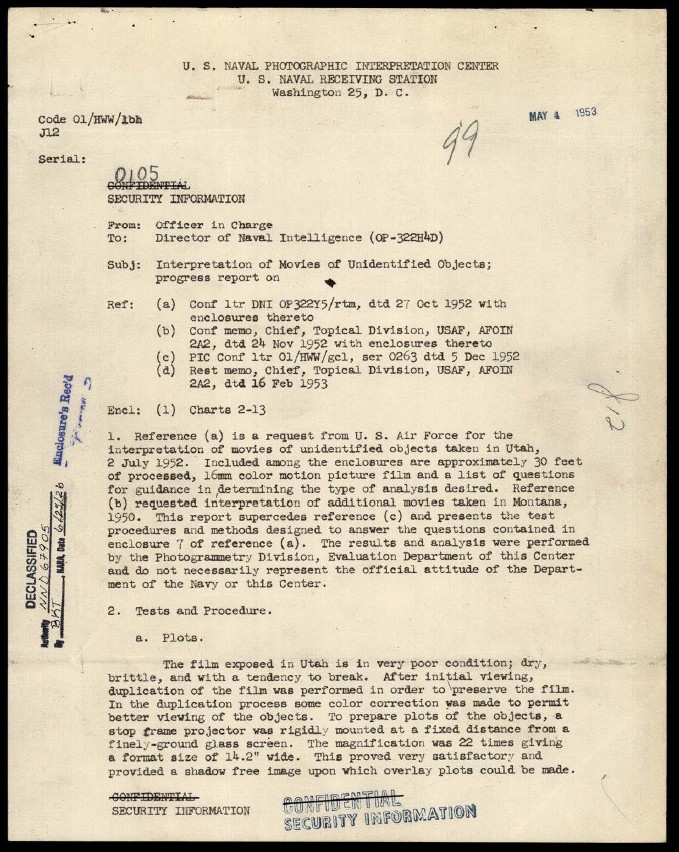
The third (D098) is a May 4, 1953 progress report from the Naval Photographic Interpretation Center on about 30 feet of 16mm color film shot in Utah on July 2, 1952 and on movies shot in Montana in 1950. The majority of the group concluded the images were light sources of a nature it could not identify in terms of natural phenomena or commonly known man-made objects, ruled out birds, aircraft and balloons, and stressed the lack of equipment, money and personnel. D098 names no locality. Another file, D092 from Release 4, records that in January 1953 the Robertson Panel was shown the films of Tremonton (Utah, July 1952) and Great Falls (Montana, August 1950), analyzed by the Navy's photo interpretation laboratory; they may be the same films, but D098 does not say so.
Bahia (Brazil, 1963) and the USS Gyatt (Puerto Rico, 1964)
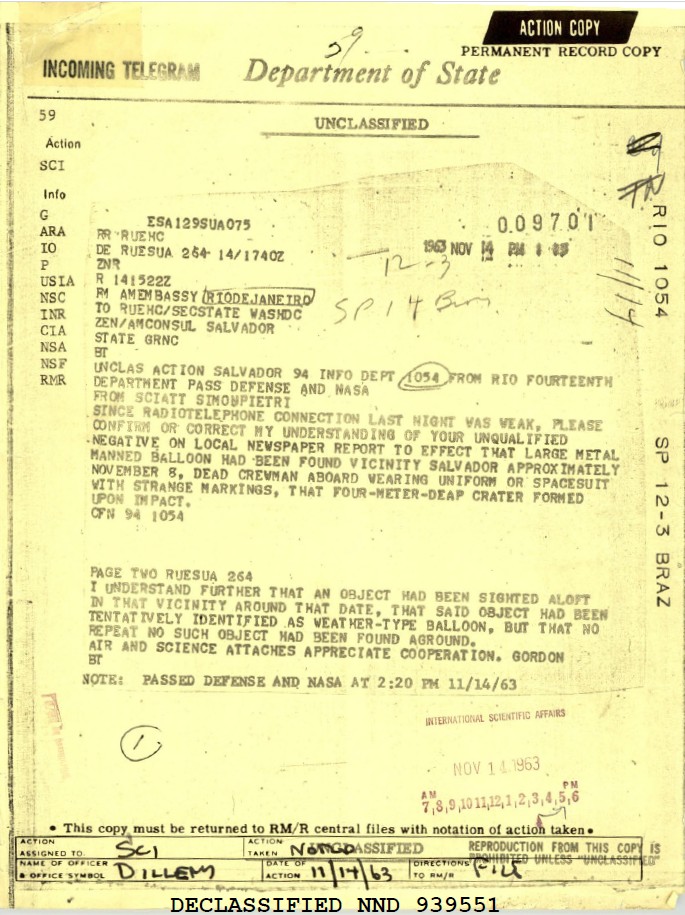
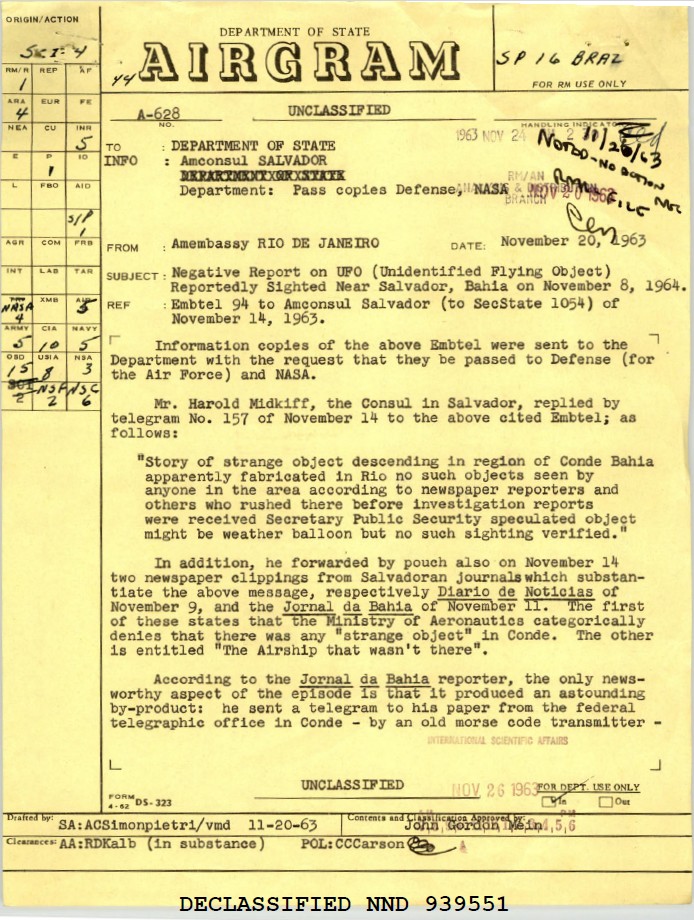
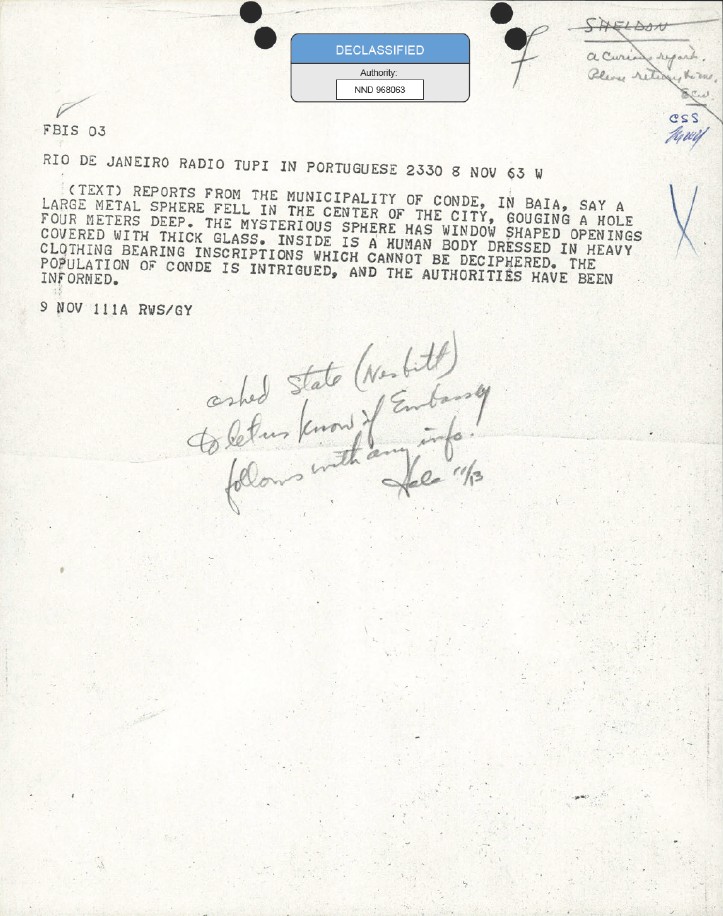
Three files from November 1963 gather a rumor and its denial. A Radio Tupi broadcast of November 8, picked up by the CIA's Foreign Broadcast Information Service (EOP-D001), said a large metal sphere had fallen in Conde (Bahia), gouging a hole four meters deep, with a human body inside. A November 14 cable from the U.S. Embassy in Rio (DOS-D001) asks to confirm the State Department's "unqualified negative", and a November 20 airgram (DOS-D002) records that the consul in Salvador, Harold Midkiff, thought the story appeared fabricated in Rio, since no one in the area had seen an object.
Read more ↓
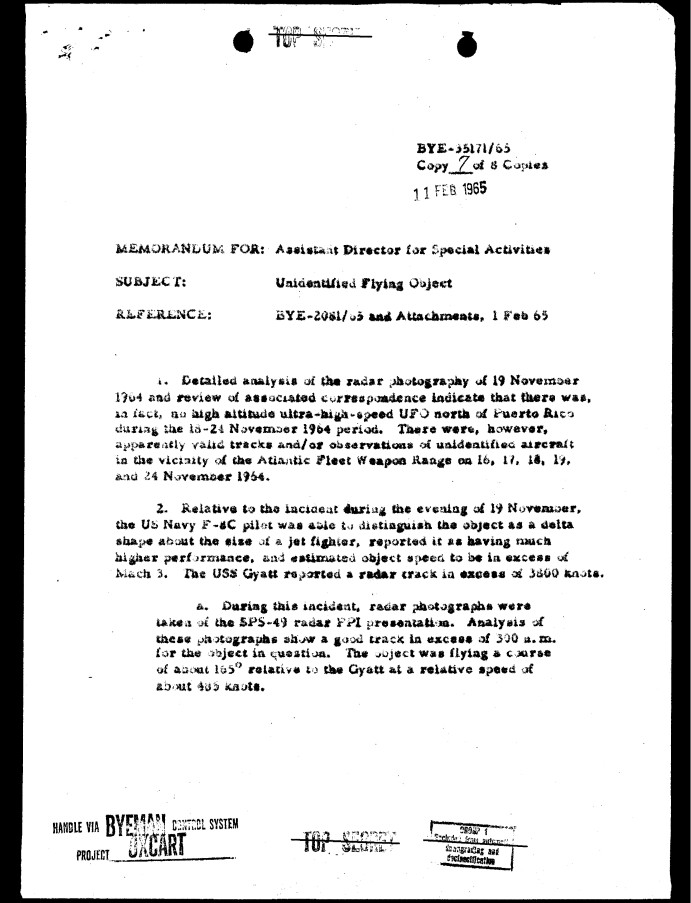
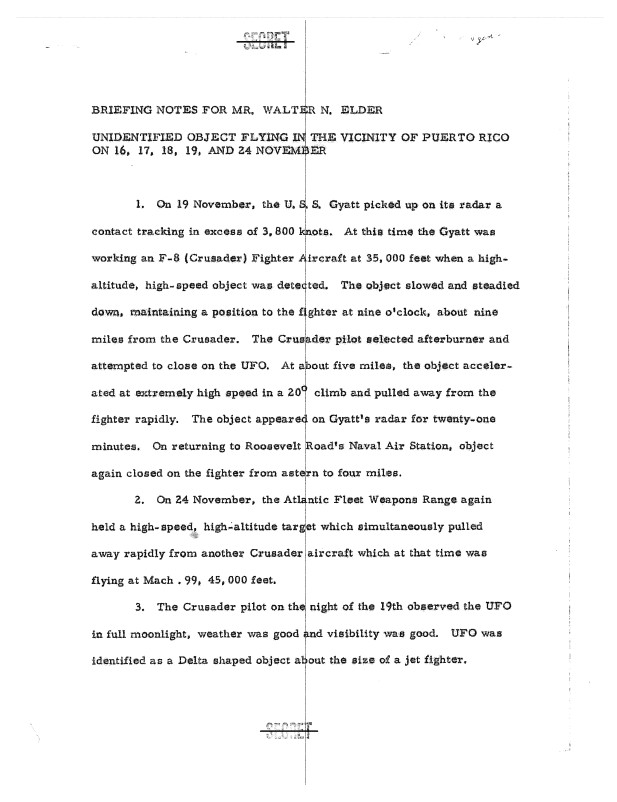
The other two are secret CIA memoranda about November 19, 1964 off Puerto Rico. The destroyer USS Gyatt tracked a high-speed, high-altitude object on radar for about 21 minutes while working with an F-8 Crusader fighter (D023); the pilot described it as delta-shaped, about the size of a jet fighter, and estimated a speed above Mach 3 (D022). A Navy cable had identified it as a YF-12A. The CIA memorandum of February 11, 1965 concludes that detailed radar analysis found no high-altitude, ultra-high-speed object, that it was probably a delta-wing fighter with better climb performance than the F-8C, and that there was no evidence confirming or ruling out Soviet MiG-21 reconnaissance activity from Cuba.
Four FBI interviews about dark triangles (2002–2023)
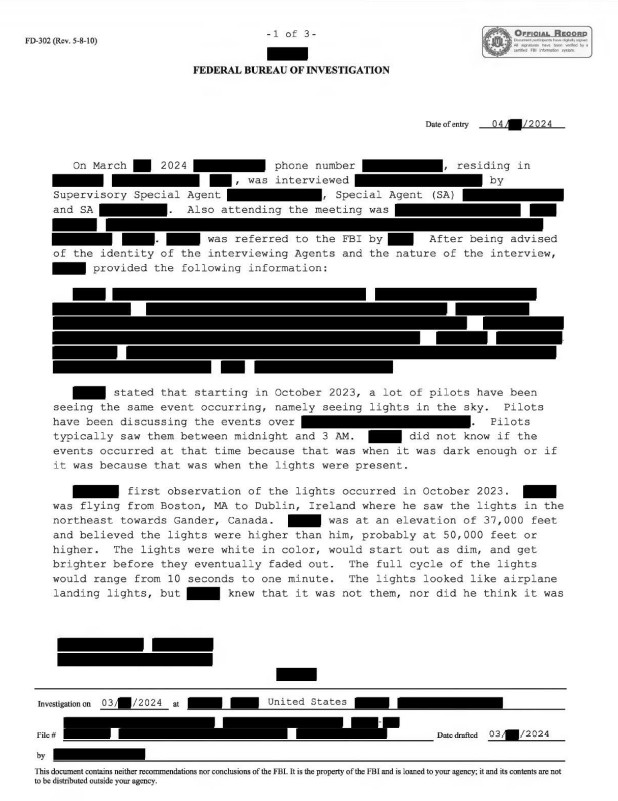
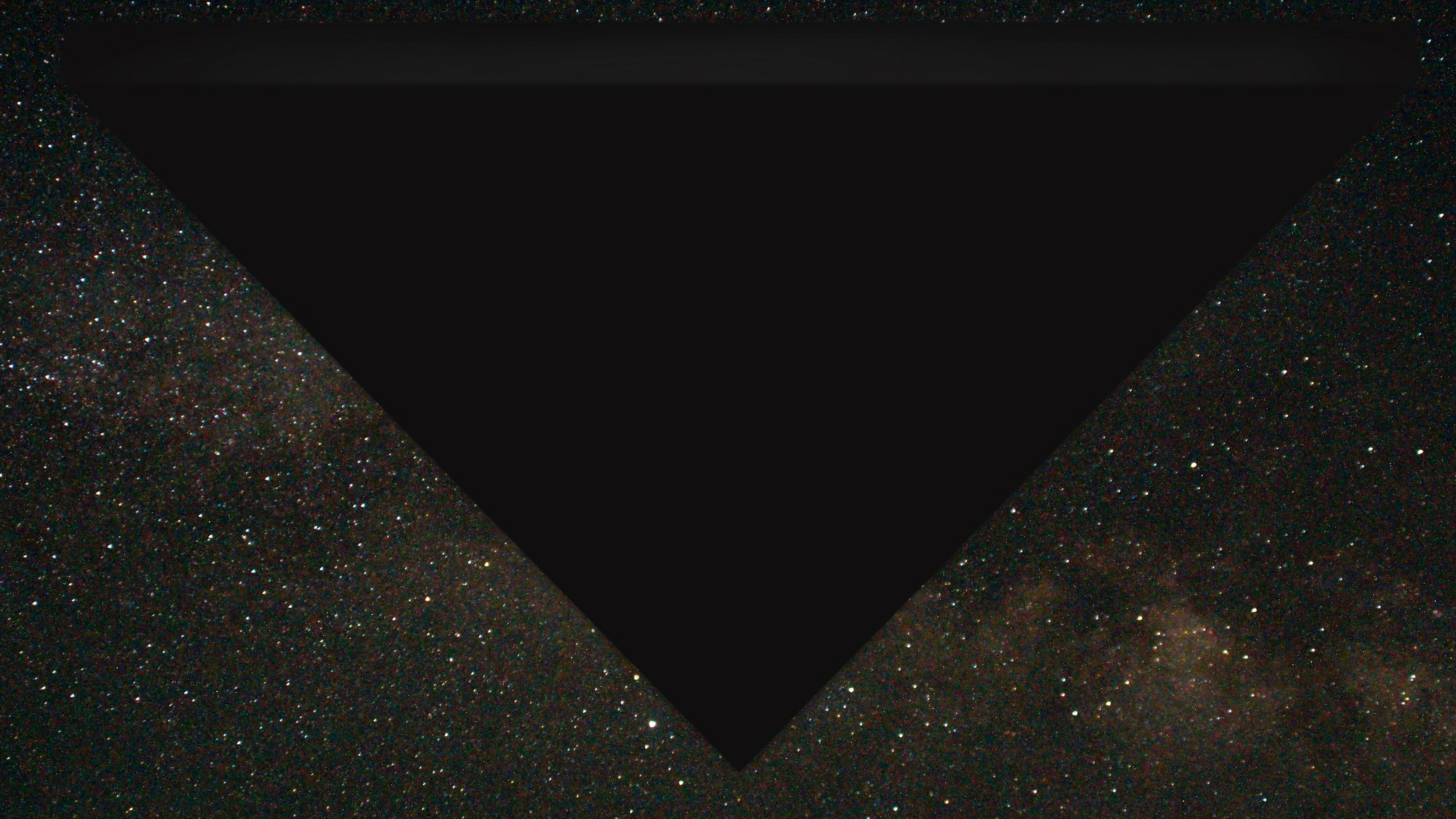
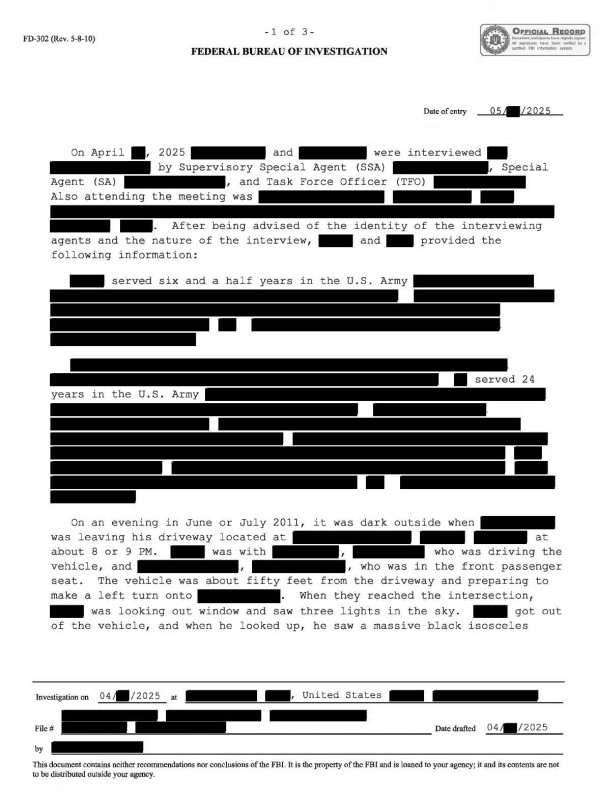
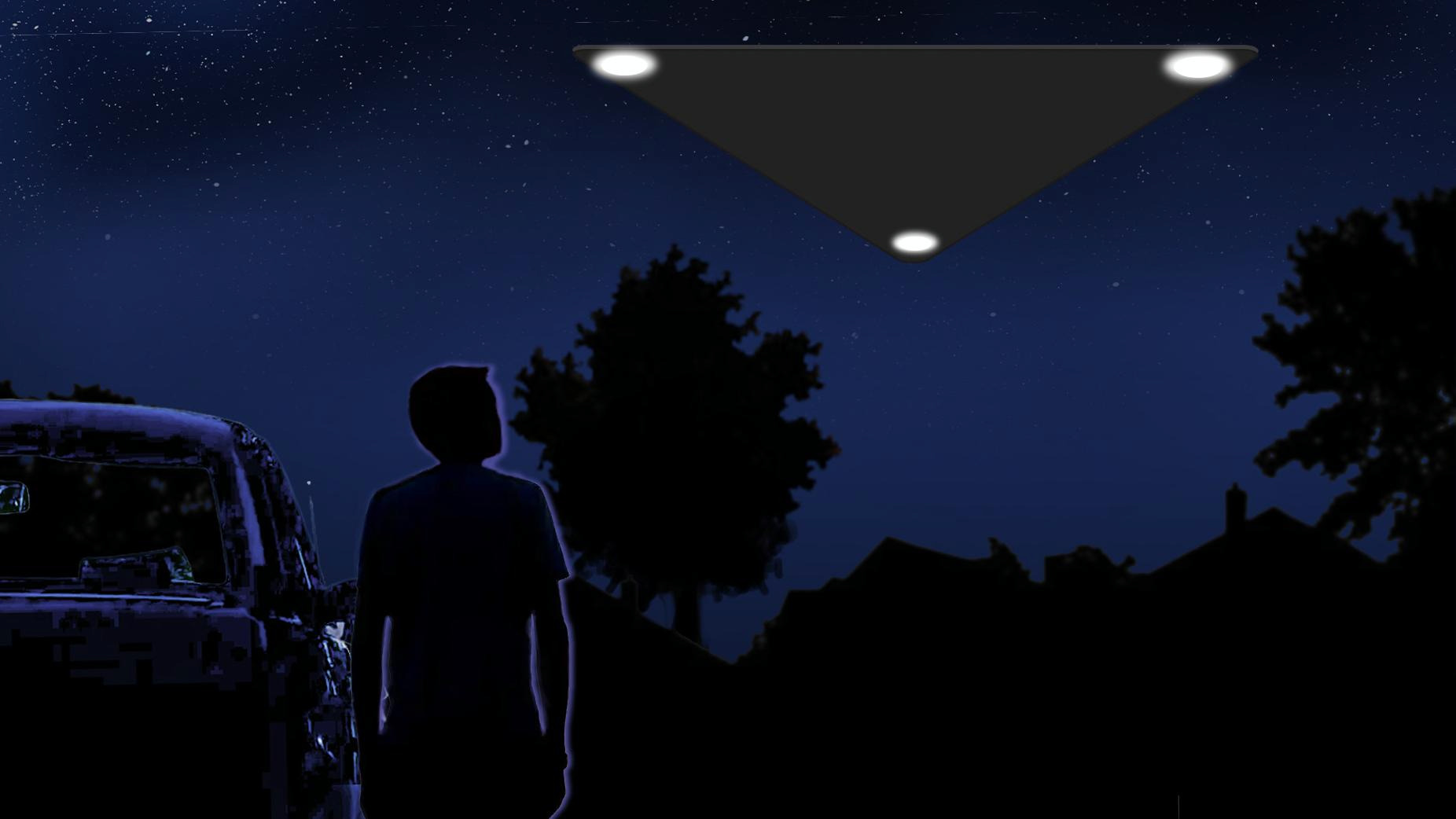
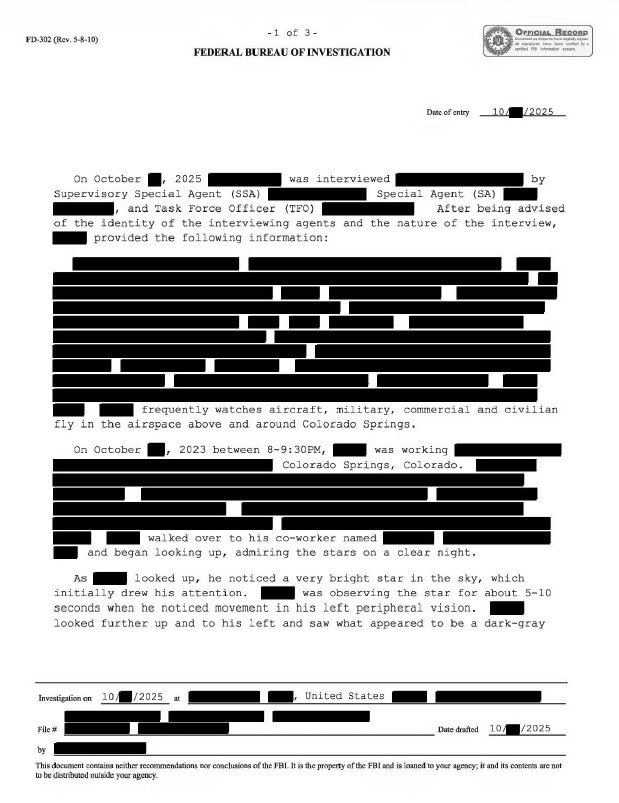
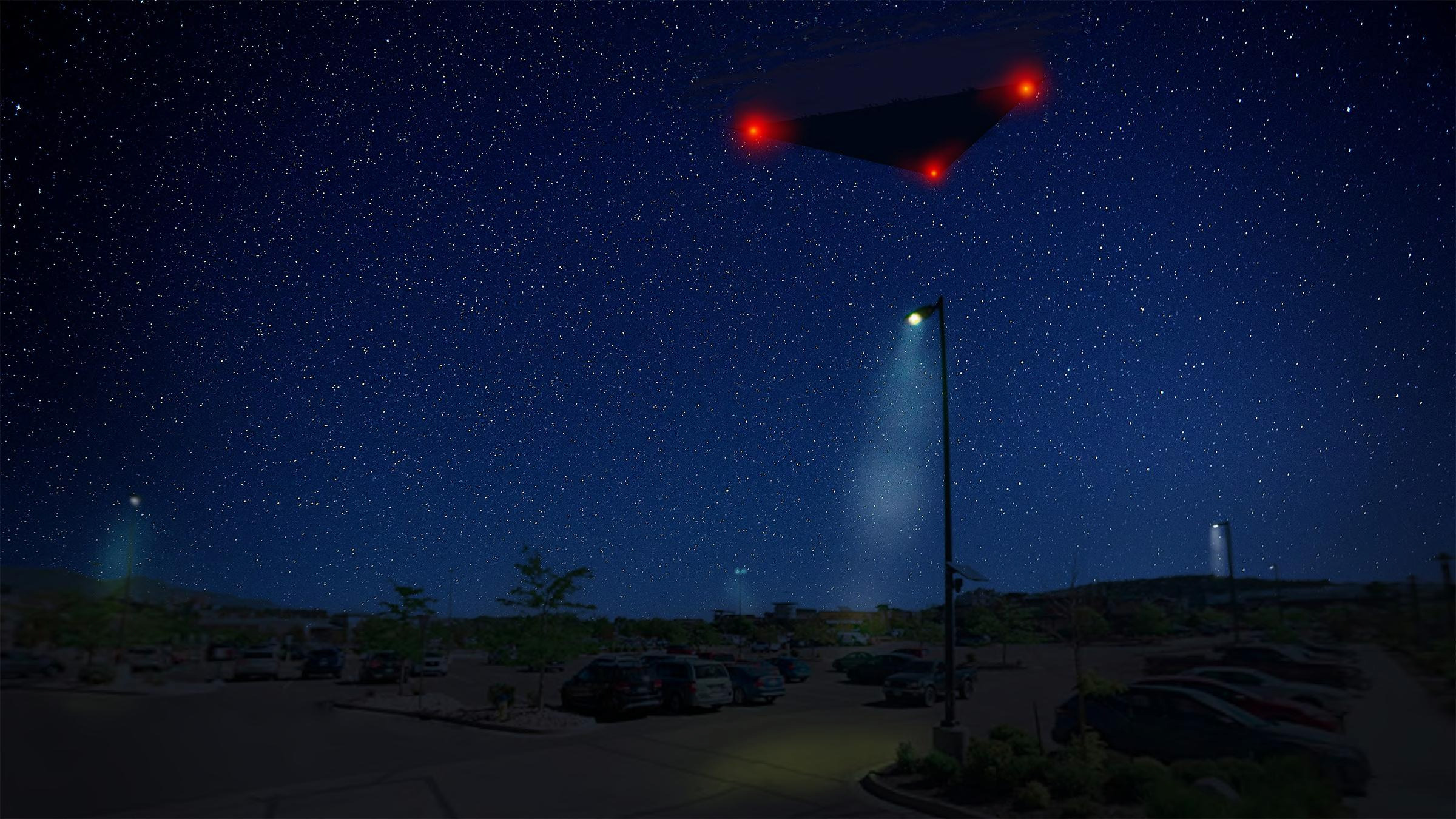
Four FD-302 forms, the format the FBI uses to record interviews, are each accompanied by a digital rendering the FBI prepared in 2026 as a visual aid, not as an image of the event. A pilot interviewed in March 2024 (D024, D025) says that since October 2023 many pilots had been seeing white lights in the night sky, and recalls an equilateral triangular object that in June 2002 blocked out the stars over Bagram, Afghanistan, silent and about 500 feet across by his estimate.
Read more ↓
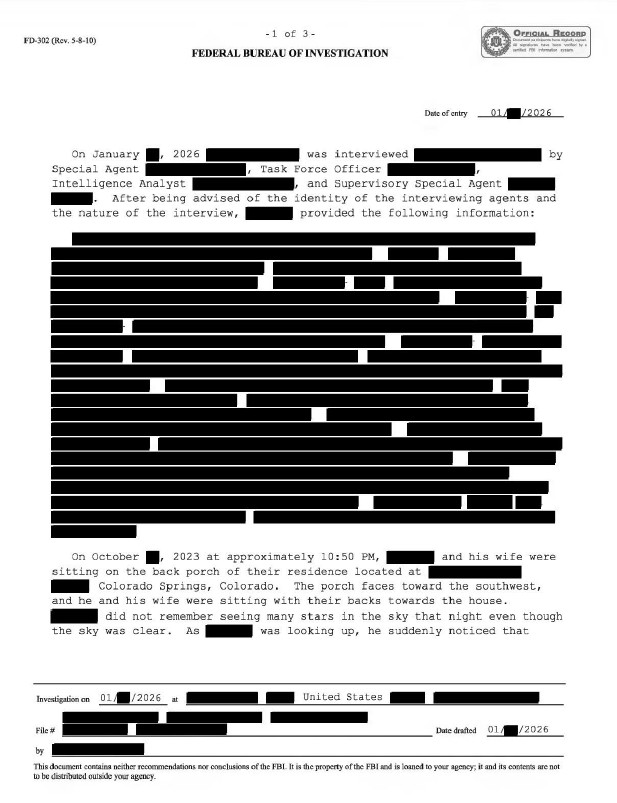
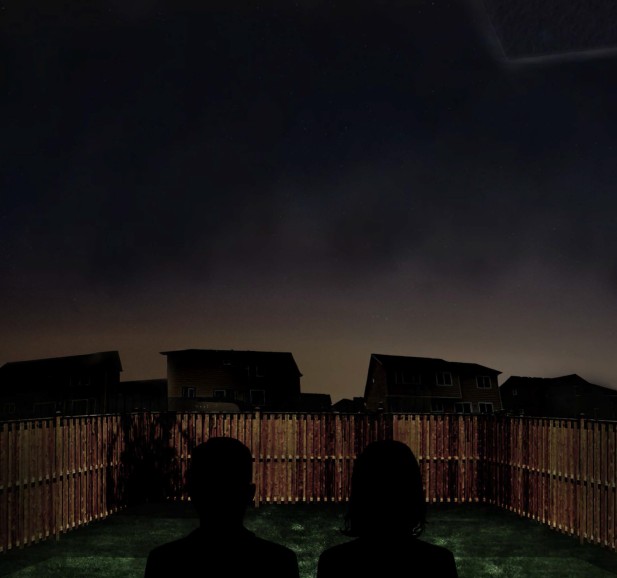
Two witnesses in Colorado Springs describe events from October 2023: one, a translucent triangular object, dark gray or silver, about 300 feet above his house (D026, D027); another, a black triangle with a red light at each corner, as large as the parking lot where he stood (D030, D031). The fourth account, from two former service members, is from June or July 2011: a black isosceles triangle with a white light at each corner (D028, D029). The FD-302 forms state that they contain neither recommendations nor conclusions of the FBI.
Lights and thermal objects in the western U.S. (2026)
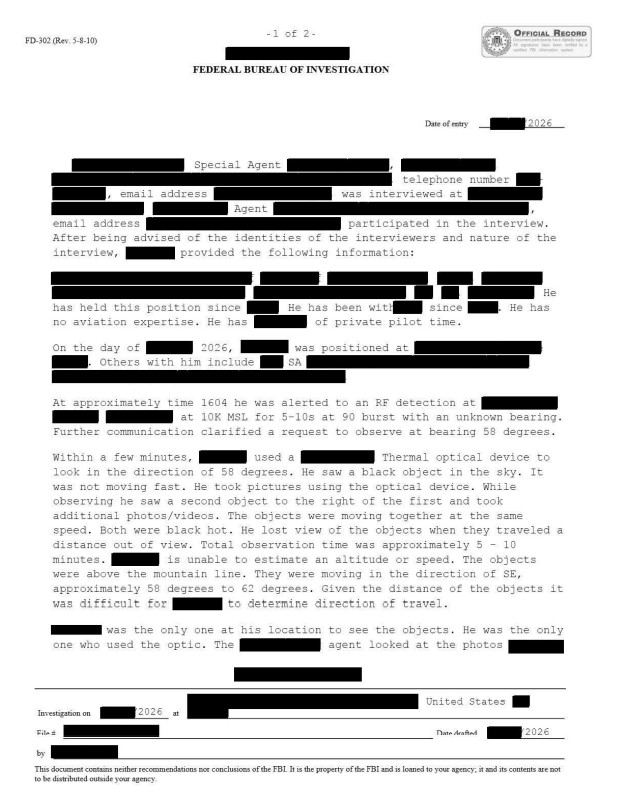
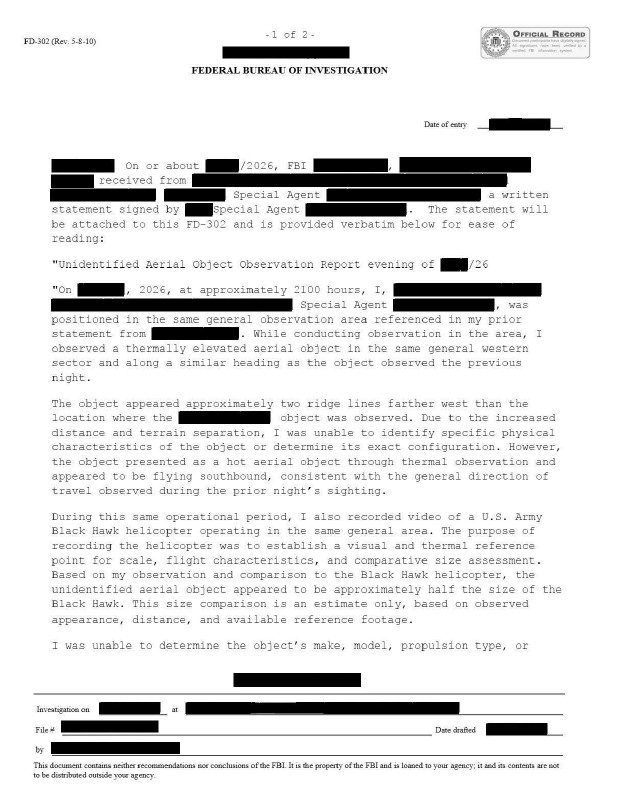
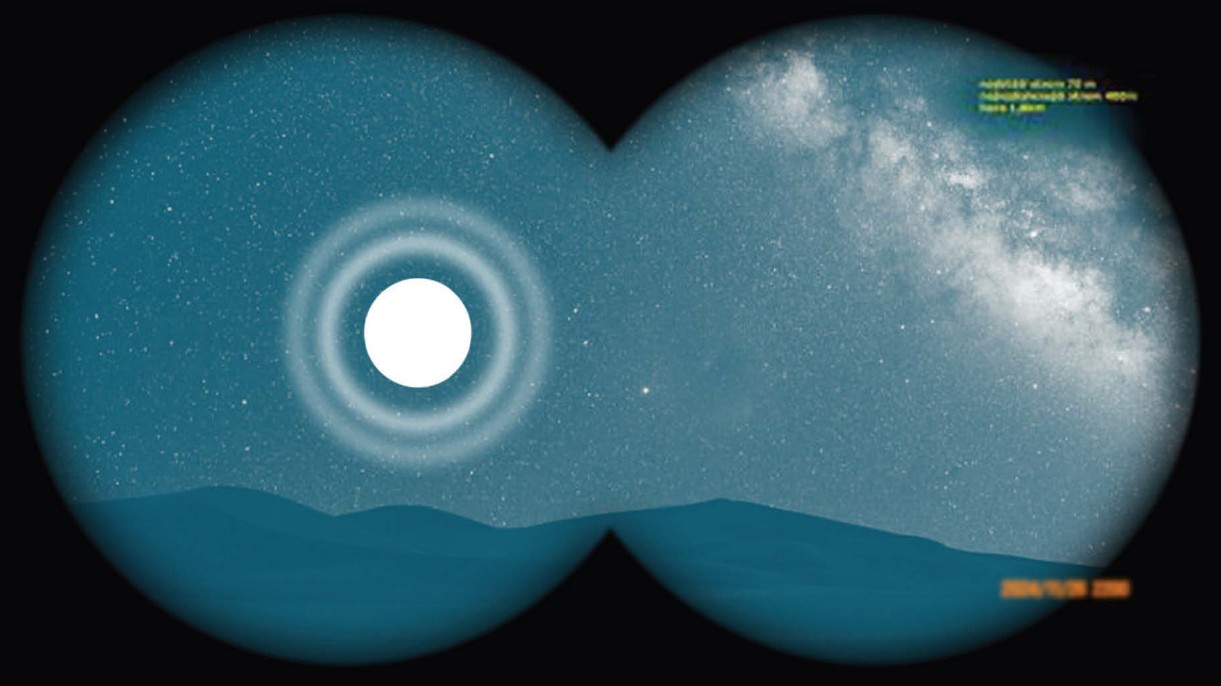
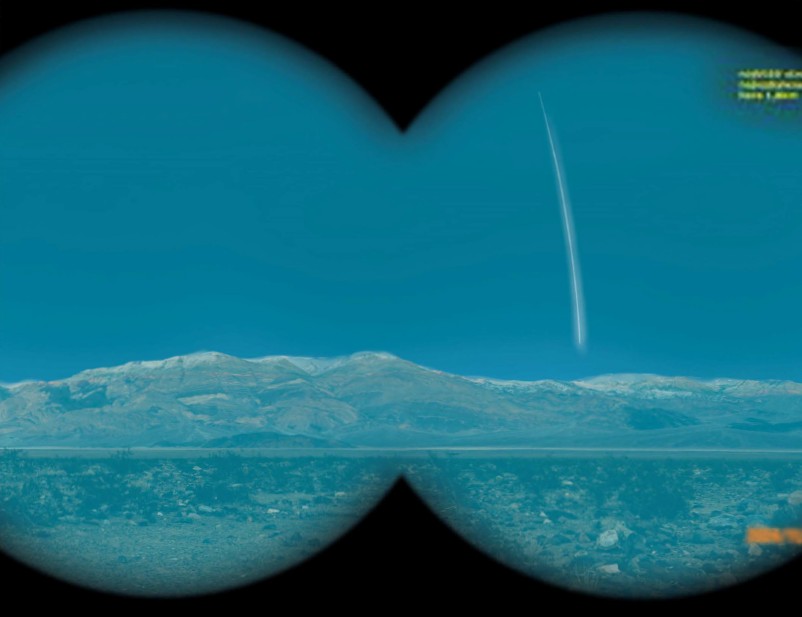
A U.S. Government Special Agent (D032) was alerted around 4:00 PM to a radio-frequency detection, looked with a thermal optical device and saw a "black hot" object and then a second one; he watched them for 5 to 10 minutes and could not estimate altitude or speed. Video PR007 shows two slow-moving "black-hot" areas of contrast. In a later statement (D033) the agent saw another thermal object in the same direction and, comparing it with a Black Hawk helicopter, estimated it at roughly half its size, a figure the statement itself calls approximate.
Read more ↓
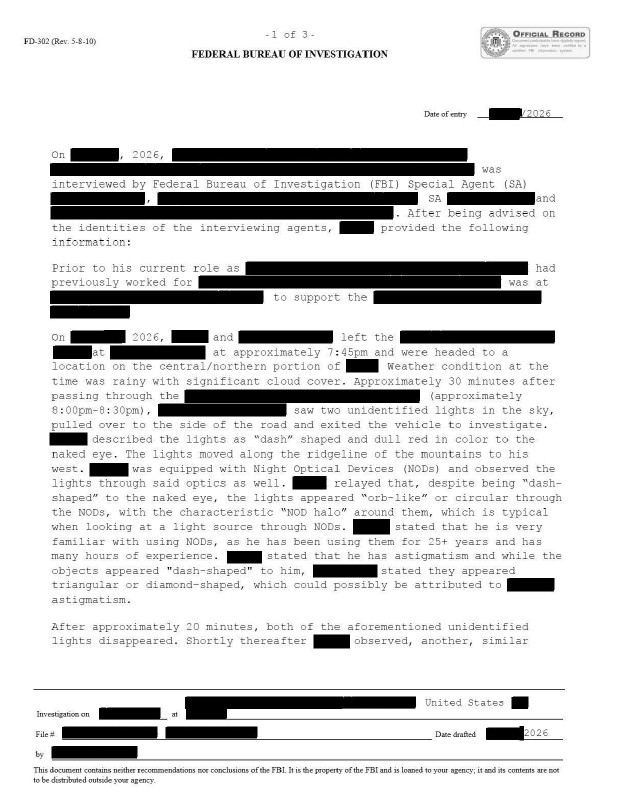
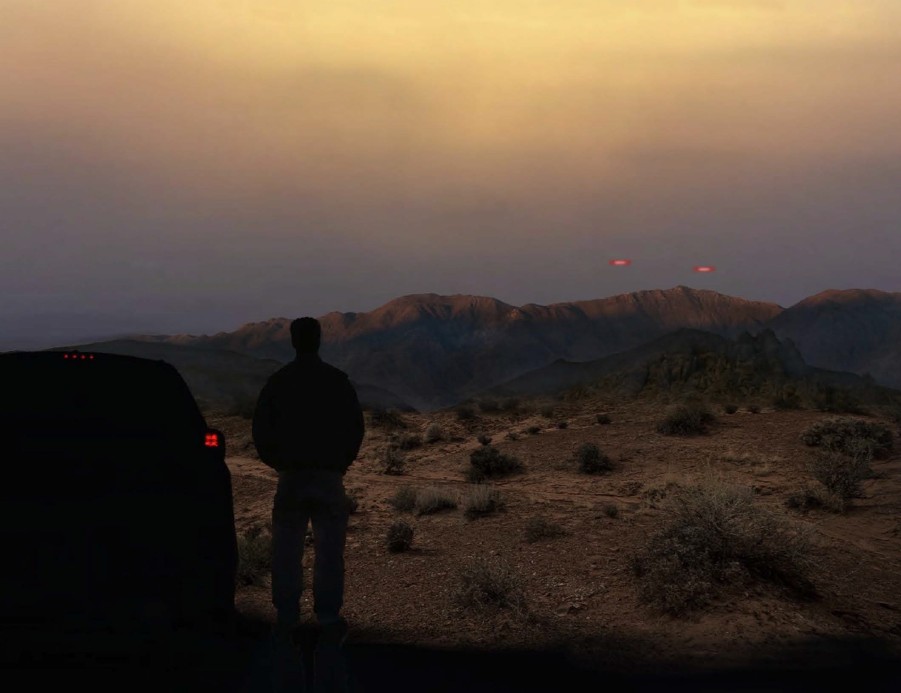
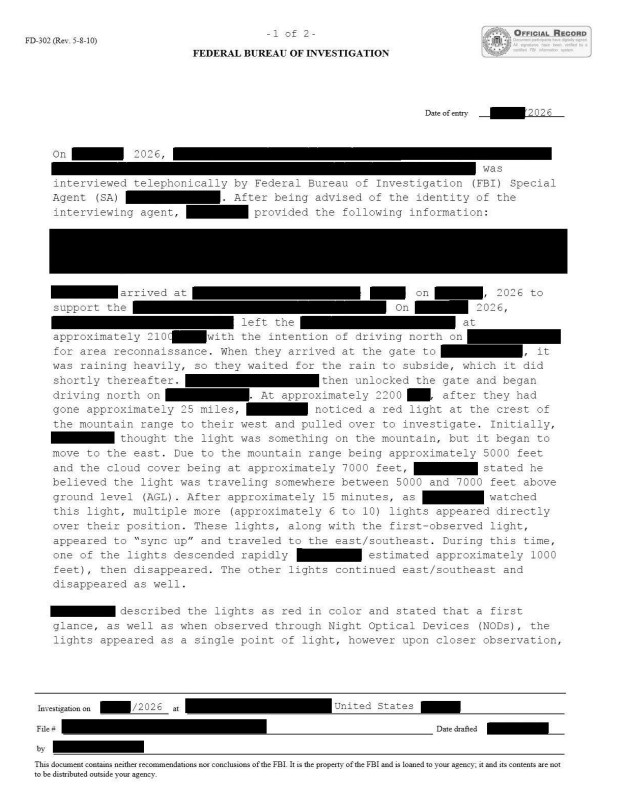
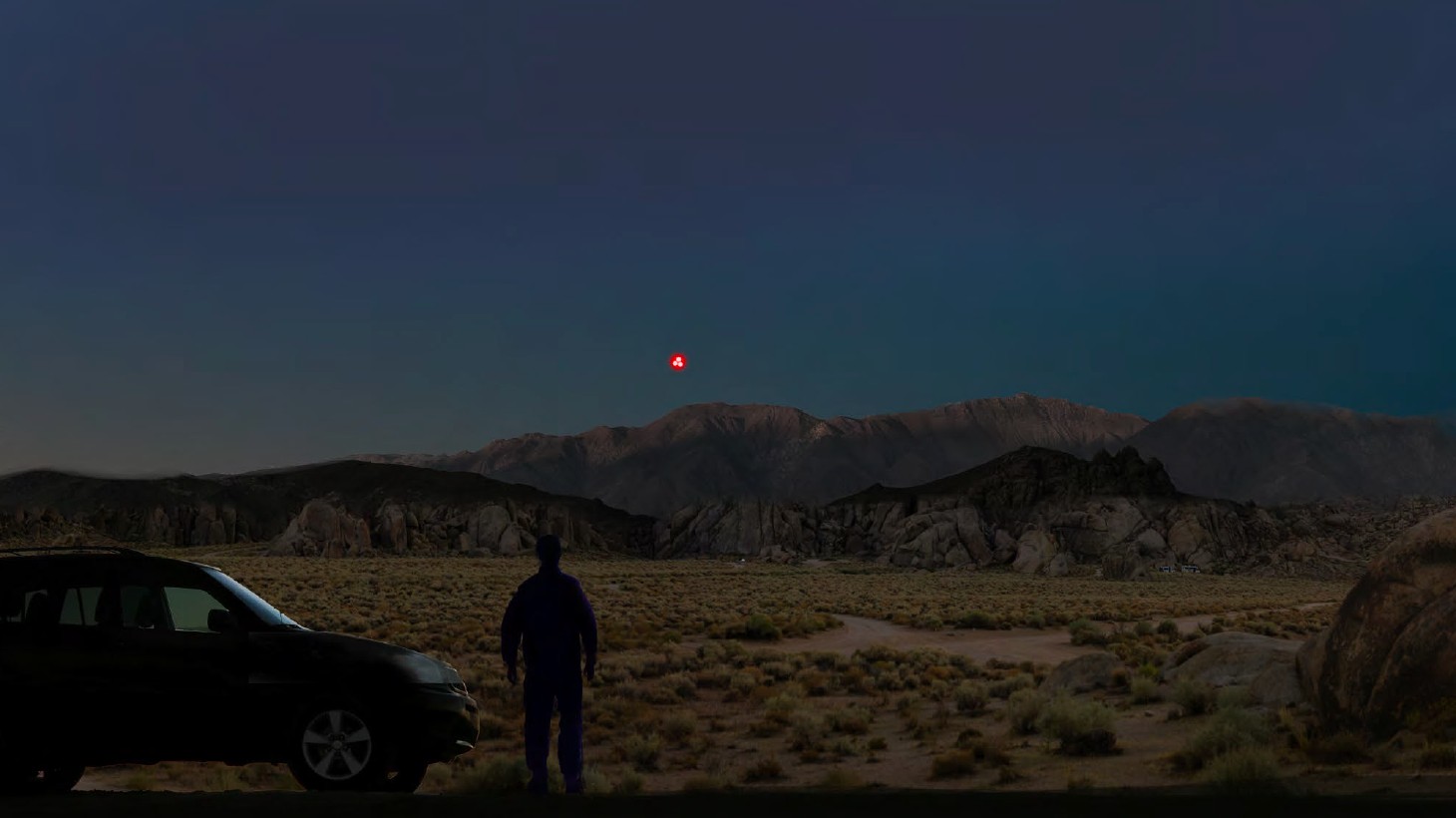
Two witnesses traveling together (D037 and D040) describe red lights over a mountain range for several hours, observed with night optical devices: groups of three lights in a triangular or diamond pattern. One reports that an analog watch was 25 minutes fast against the phones and the vehicle's digital clock; the report says the triangular or diamond shape the other person saw could possibly be attributed to astigmatism. Four digital renderings (D038, D039, D041 and D042) illustrate the accounts. The FD-302 forms state that they contain neither recommendations nor conclusions of the FBI.
The AC-130 over the Gulf of Oman and 15 sensor videos
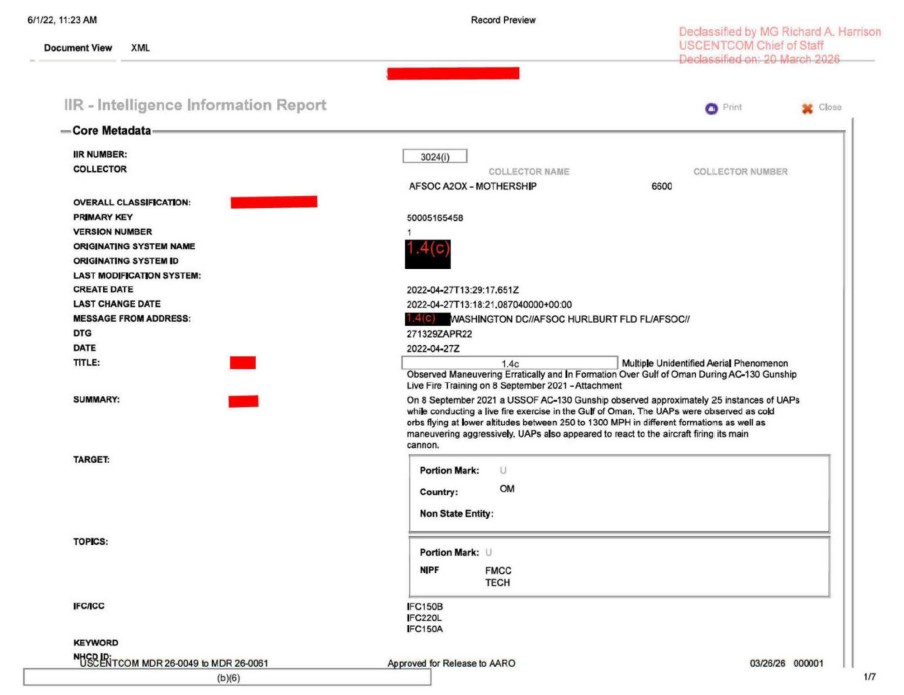
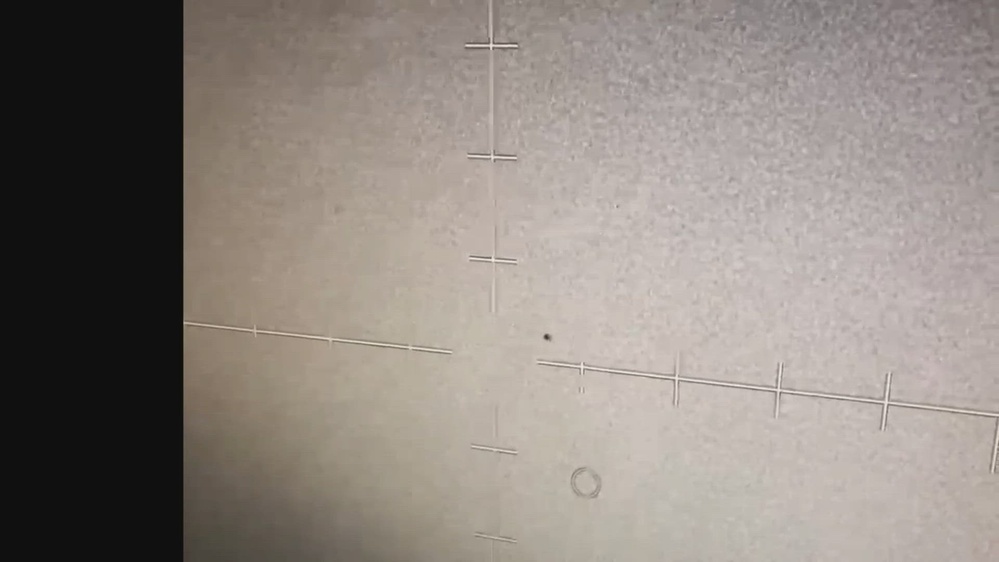
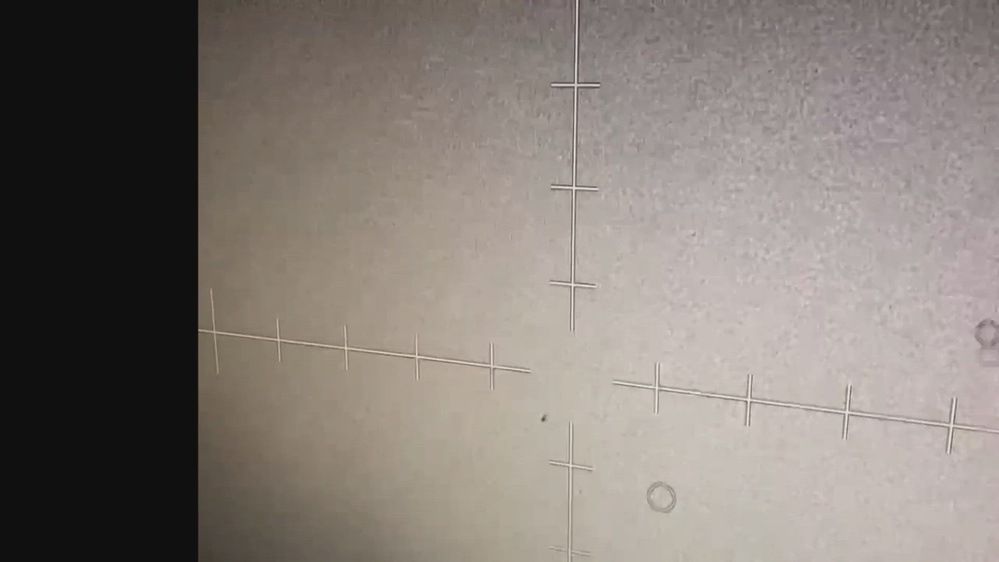
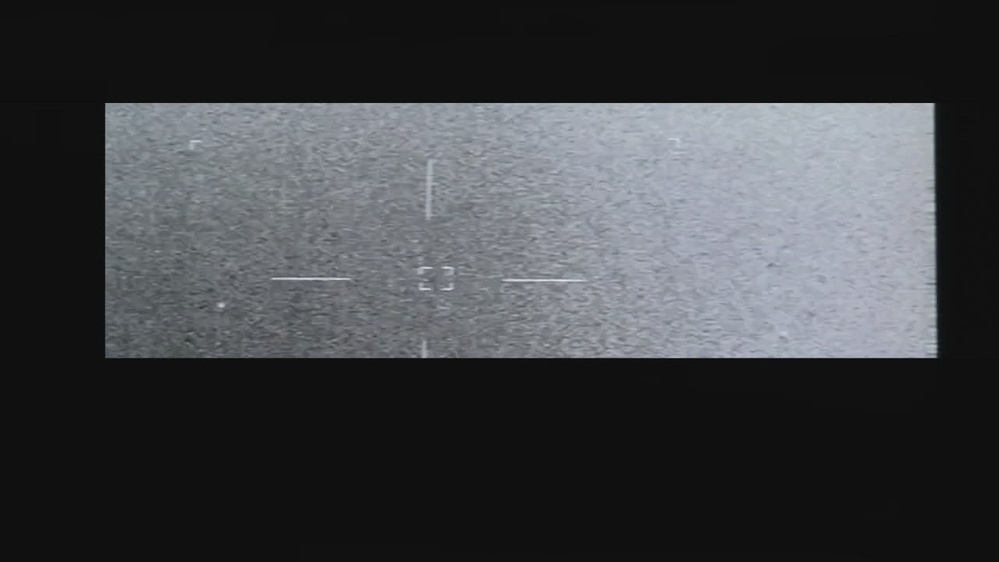
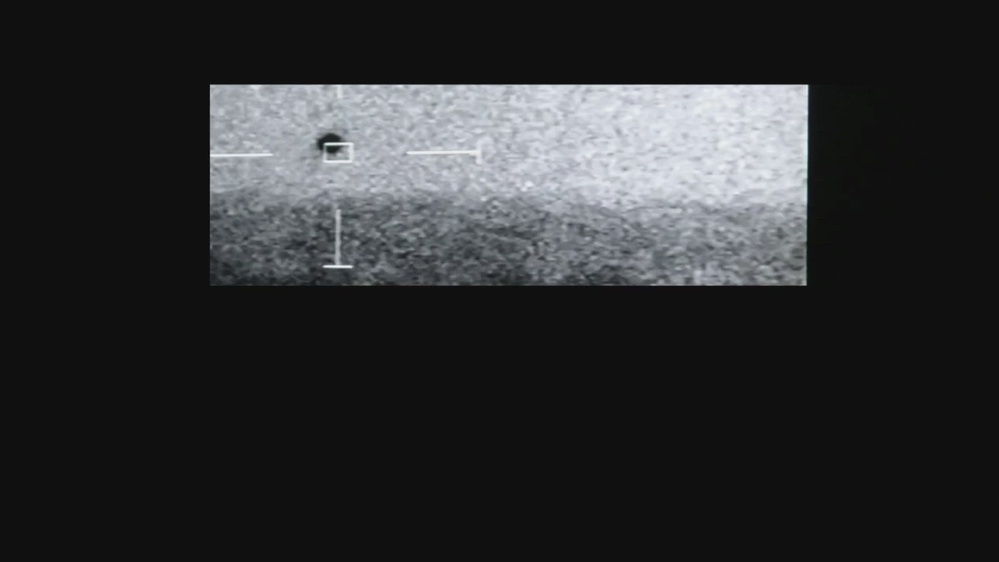
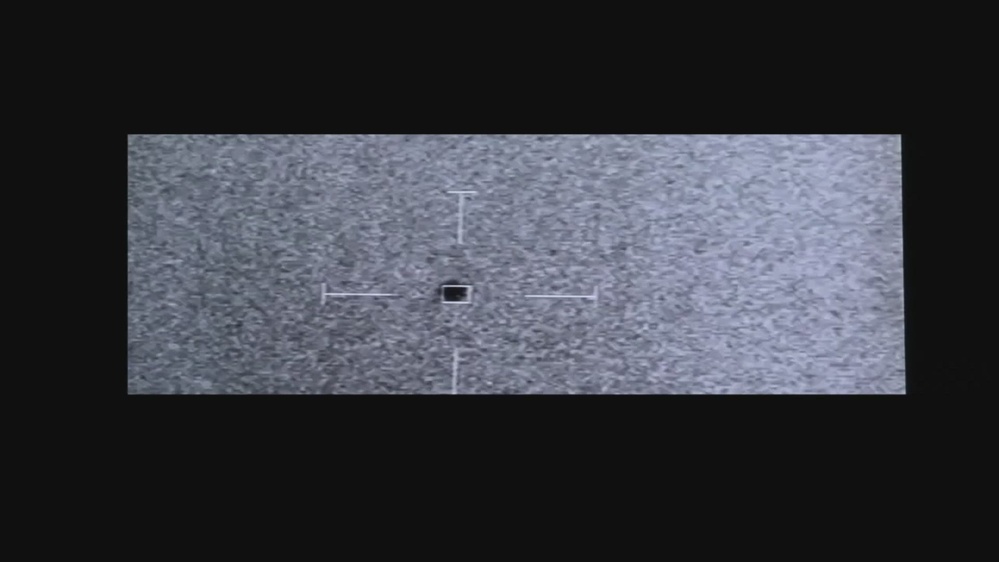
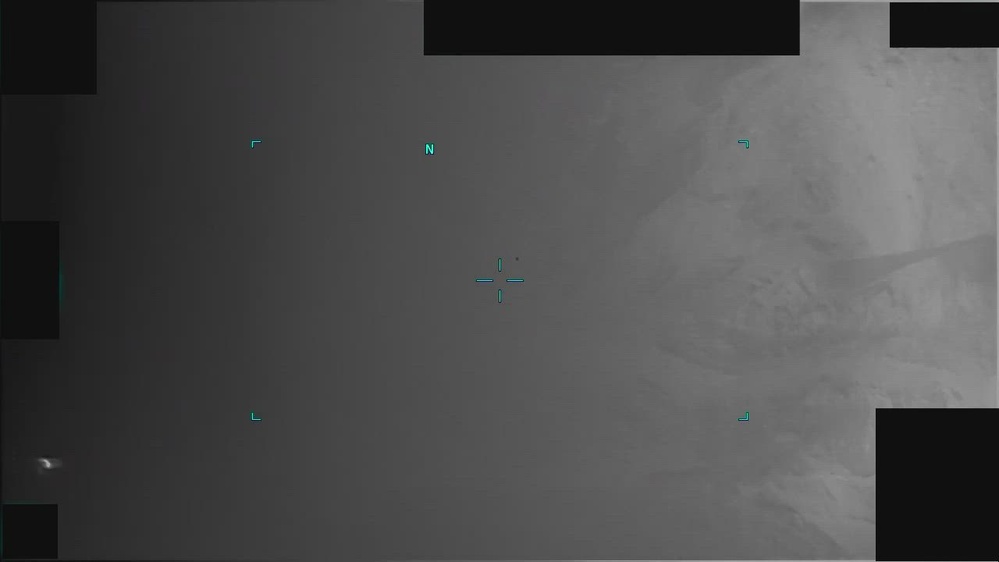
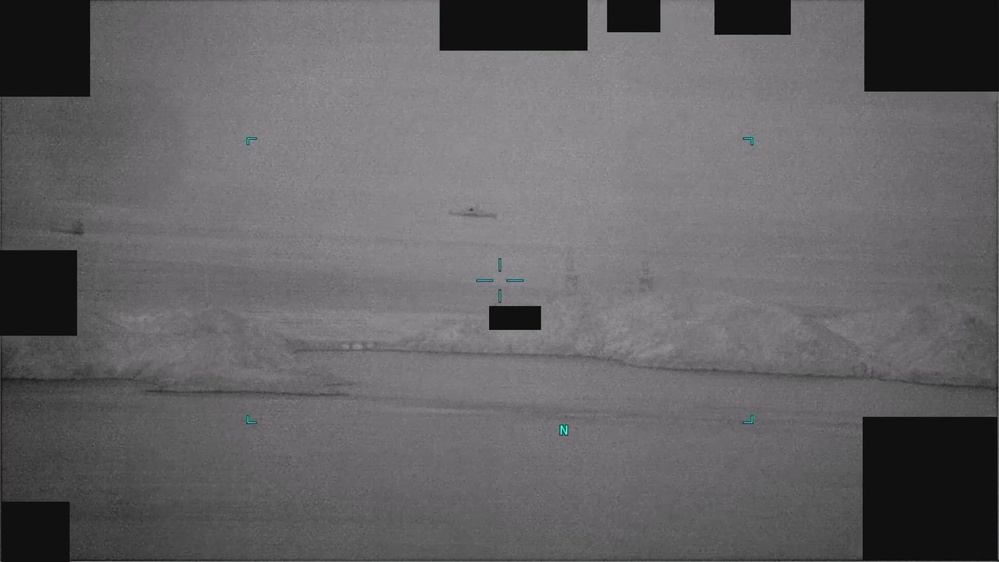
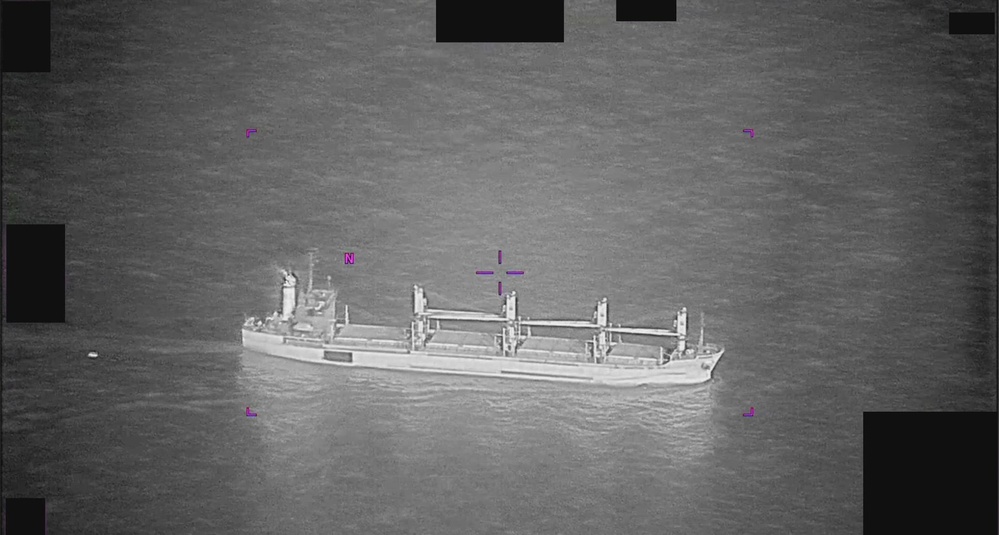
An Intelligence Information Report (IIR) from Air Force Special Operations Command, dated April 27, 2022 (D101), describes what happened on September 8, 2021 to the crew of an AC-130 over the Gulf of Oman during a nighttime live-fire exercise. After dropping a flare, the combat systems officer saw two "cold orbs" about four feet in diameter above the water on the EO/IR sensor, which flew away when he fired the 105mm cannon; the crew counted about 25 instances of UAP in infrared in all and calculated a maximum speed of 1,300 mph. The digital video recorder failed and the data became corrupted. The six videos PR117 through PR122 are secondary captures recorded with a cellular device from an AC-130J sensor display, not native data.
Read more ↓
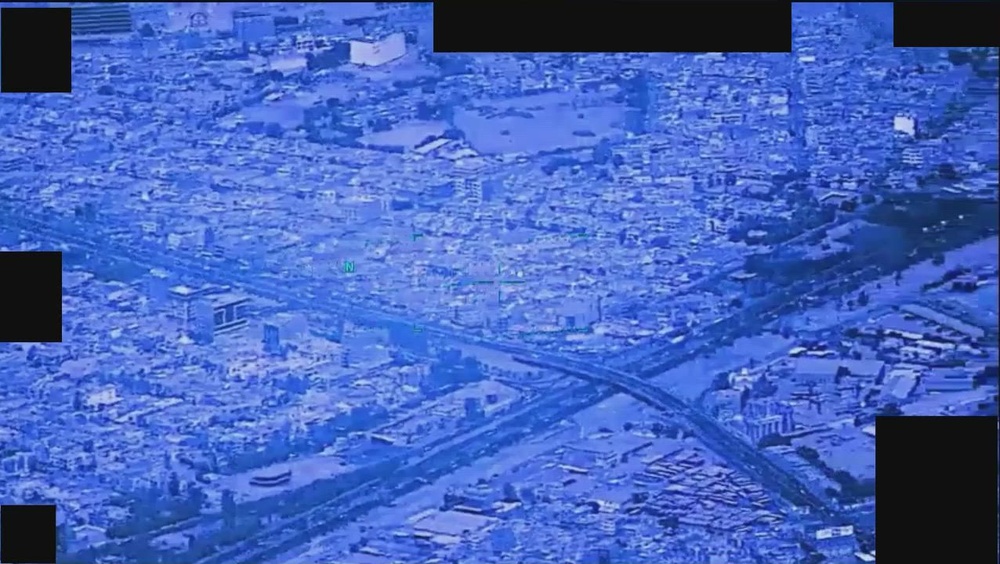
The other nine videos are five from the Navy UAP Task Force (PR123 through PR127, from 2019, transferred to AARO in 2022 and, according to the official description, digitally altered before being reported to AARO, so they are presented as received) and four from Central Command from 2023 and 2025 (PR134, PR136, PR142 and PR149).
How to read this release: the videos are titled "Unresolved UAP Report". AARO not having resolved them does not mean it confirms anything extraordinary, and the official descriptions warn that all descriptive language reflects the reporter's subjective interpretation. Five of the PDFs are FBI digital renderings (D027, D038, D039, D041 and D042), artistic interpretations and not images of the event. There are inconsistencies in the official data: D022 places the series of sightings on November 18–24, 1964 and D023 cites November 16, 17, 18, 19 and 24. Videos PR117 through PR125 are described as secondary captures of sensor displays, with the loss of quality that implies; PR126 and PR127 were filmed hand-held in low light. The summaries on this site are AI-generated from the documents and reviewed under the policy on the methodology page. This analysis is reader-supported — see how to help.